
How to Choose the Right LED Display?
An LED display is a major investment. Unlike a conventional LCD screen, an LED display can be customized in terms of screen size, pixel pitch, cabinet configuration, brightness, installation method, and maintenance access.
The best LED display is therefore not necessarily the one with the smallest pixel pitch or the highest brightness.
Instead, the right solution should be based on the complete project requirements.
Before selecting an LED display, consider:
• Viewing distance
• Screen dimensions
• Pixel pitch
• Indoor or outdoor environment
• Brightness requirements
• Content type
• Refresh rate
• Resolution
• Cabinet design
• Maintenance access
• Installation structure
• Power consumption
• Control system
• Expected operating hours
• Warranty and after-sales support
• Total cost of ownership
A professional LED display manufacturer should be able to evaluate these factors together and recommend a suitable configuration rather than simply quoting a price per square meter.
⸻
1. Start With Pixel Pitch
Pixel pitch is one of the most important specifications when selecting an LED display.
It refers to the distance, measured in millimeters, between the centers of two adjacent LED pixels.
Common pixel pitches include:
• P1.2
• P1.5
• P1.8
• P2
• P2.5
• P3
• P3.9
• P4
• P5
• P6
• P8
• P10
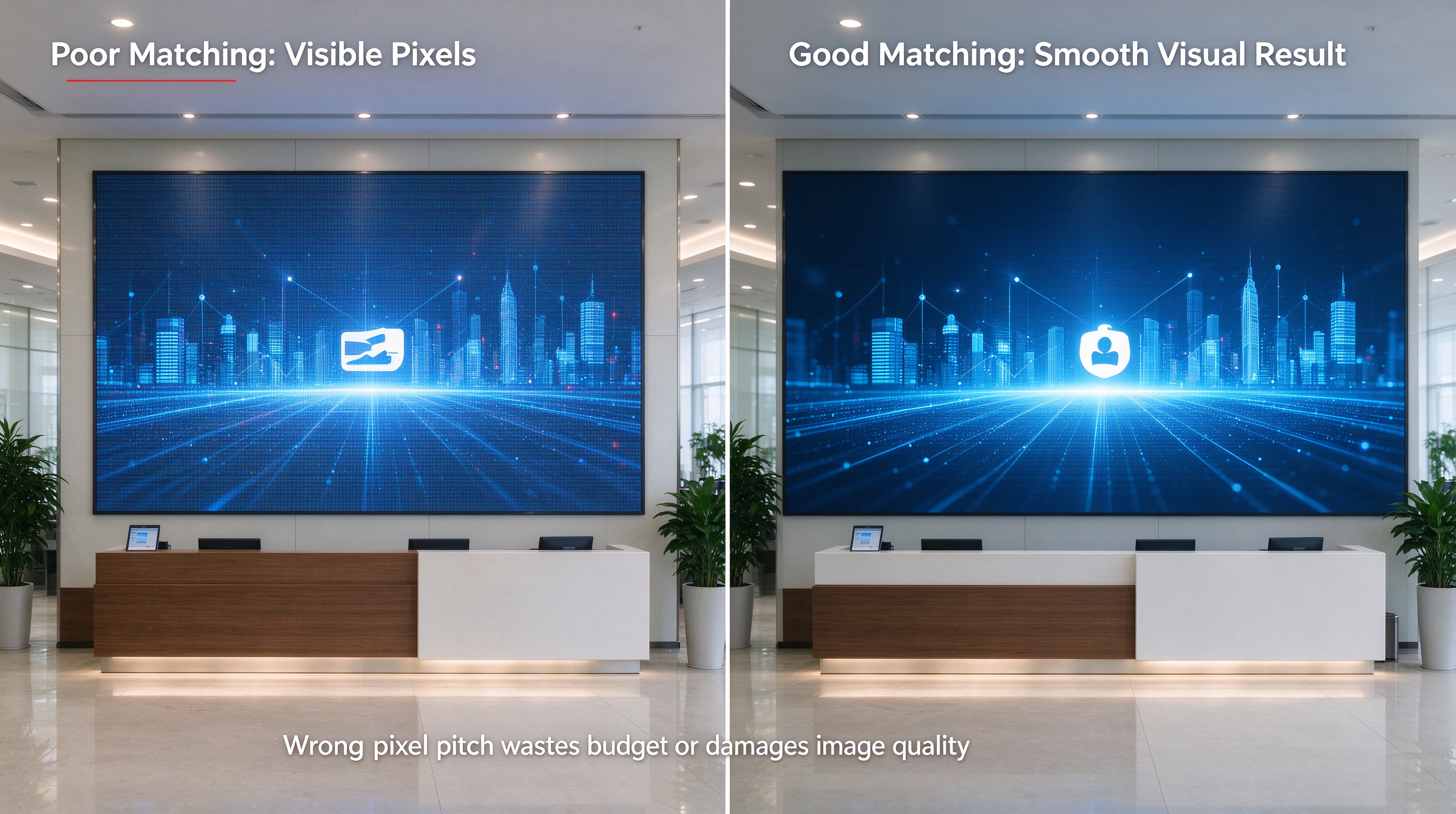
Generally, a smaller pixel pitch means a higher pixel density and the ability to reproduce finer image details at close viewing distances.
However, smaller pixel pitch does not automatically mean a better LED display for every project.
If the audience is far away from the screen, choosing an unnecessarily fine pixel pitch may increase the project cost without providing a noticeable improvement in the viewing experience.
The correct approach is to select pixel pitch according to viewing distance, screen size, content type, and project budget.
⸻
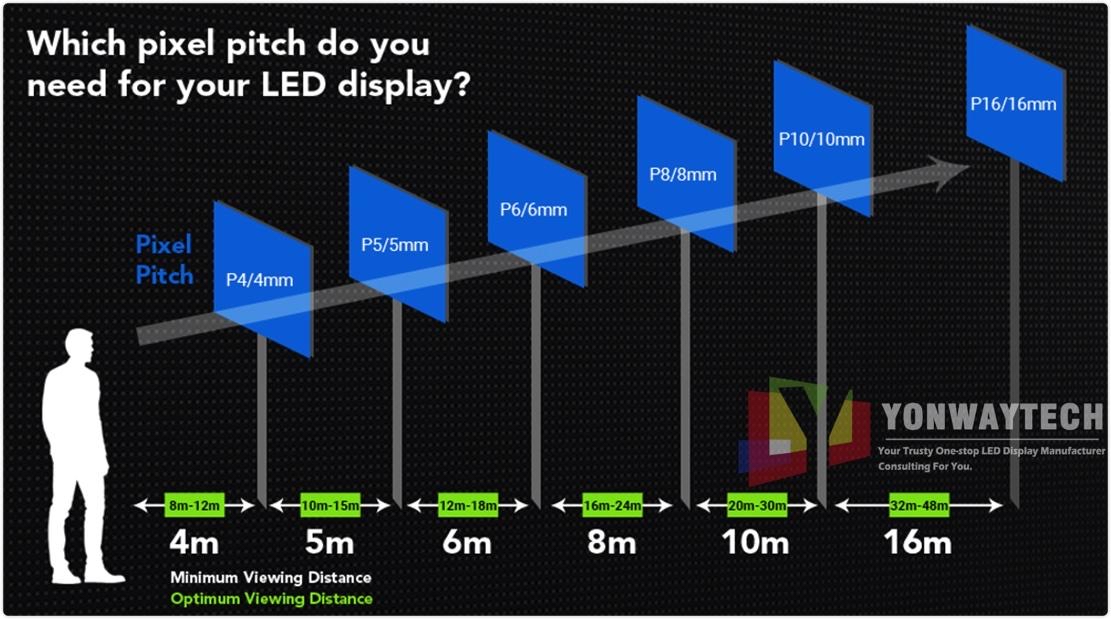
2. Pixel Pitch vs. Viewing Distance
Viewing distance is one of the most important factors in LED display selection.
A screen installed in a conference room may be viewed from only a few meters away, while an outdoor advertising screen may be viewed from tens or even hundreds of meters away.
The closer the audience is to the screen, the more important pixel density becomes.
As a general starting point:
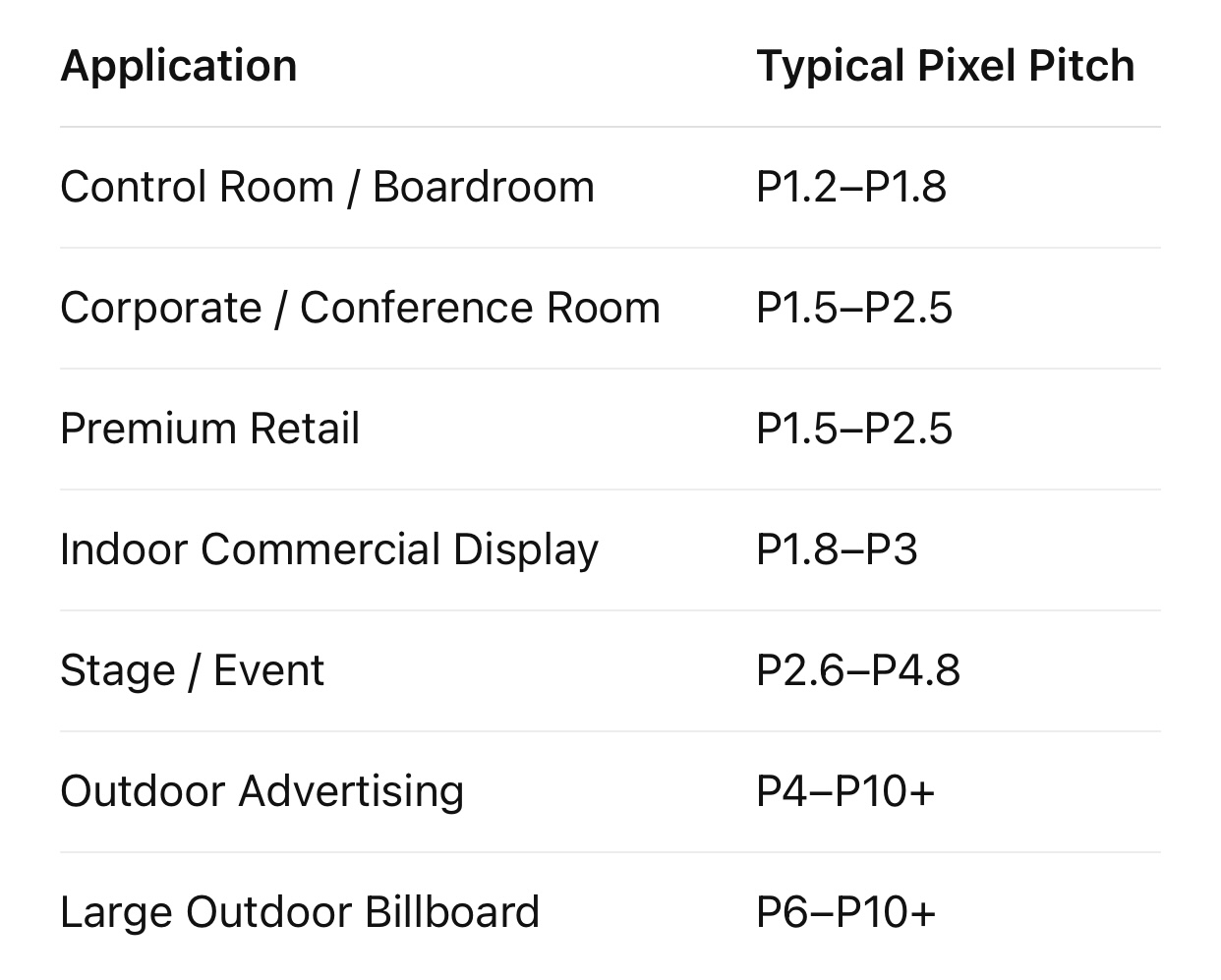
These ranges are general guidelines rather than strict rules.
The final pixel pitch should be determined according to the actual viewing distance, screen dimensions, content requirements, camera requirements, and environmental conditions.
A simple rule:
Closer viewing distance → smaller pixel pitch
Longer viewing distance → larger pixel pitch can be considered
A professional LED display supplier should be able to calculate and recommend the appropriate pixel pitch based on your project drawings and viewing environment.
3. Choose the Right LED Display Type
Before comparing technical specifications, determine what type of LED display your project requires.
Indoor Fine Pixel LED Display
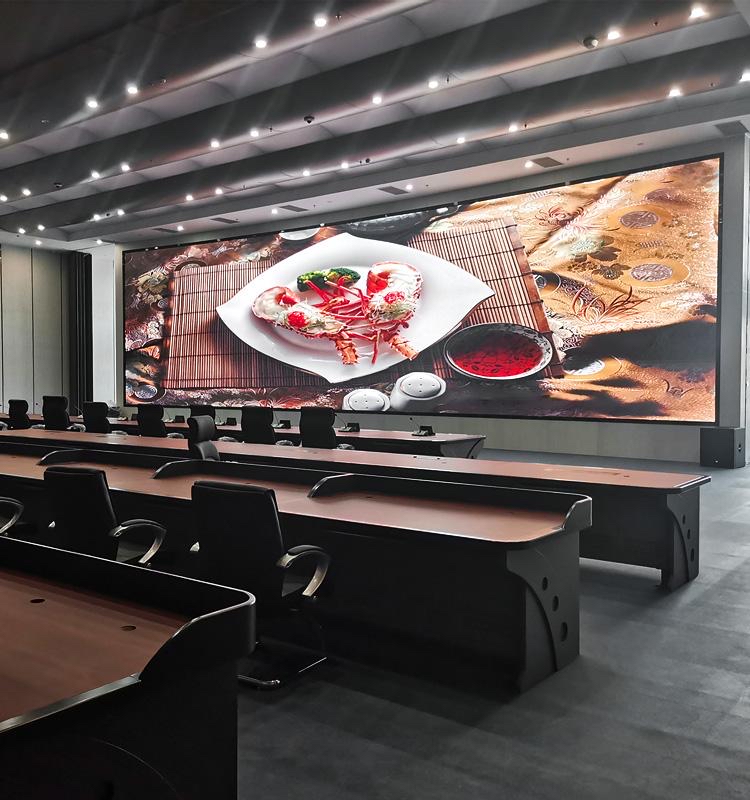
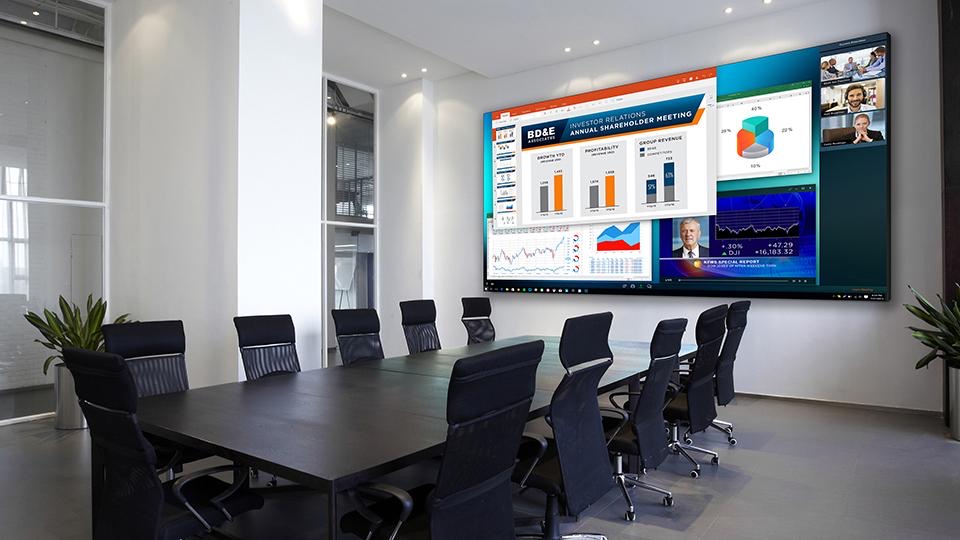
Indoor fine-pitch LED displays are designed for applications where viewers are relatively close to the screen.
Typical applications include:
• Corporate meeting rooms
• Conference rooms
• Control rooms
• Command centers
• Broadcast studios
• Premium retail stores
• Museums
• High-end commercial spaces
Fine-pitch solutions such as P1.2, P1.5, P1.8, P2, and P2.5 can provide high pixel density and excellent image detail.
For close-viewing applications, factors such as grayscale performance, color consistency, contrast ratio, and low-brightness performance are also important.
⸻
4. Indoor vs. Outdoor LED Display
The installation environment has a major impact on LED display specifications.
Indoor LED Display
Indoor LED displays generally prioritize:
• Fine pixel pitch
• High image quality
• High contrast
• Accurate color reproduction
• Low power consumption
• Slim cabinet design
• Quiet operation
• Easy maintenance
Common applications include:
• Conference rooms
• Shopping malls
• Retail stores
• Hotels
• Airports
• Museums
• Corporate offices
• Studios
Because indoor screens are usually protected from direct sunlight and rain, they do not require the same brightness and environmental protection as outdoor displays.
⸻
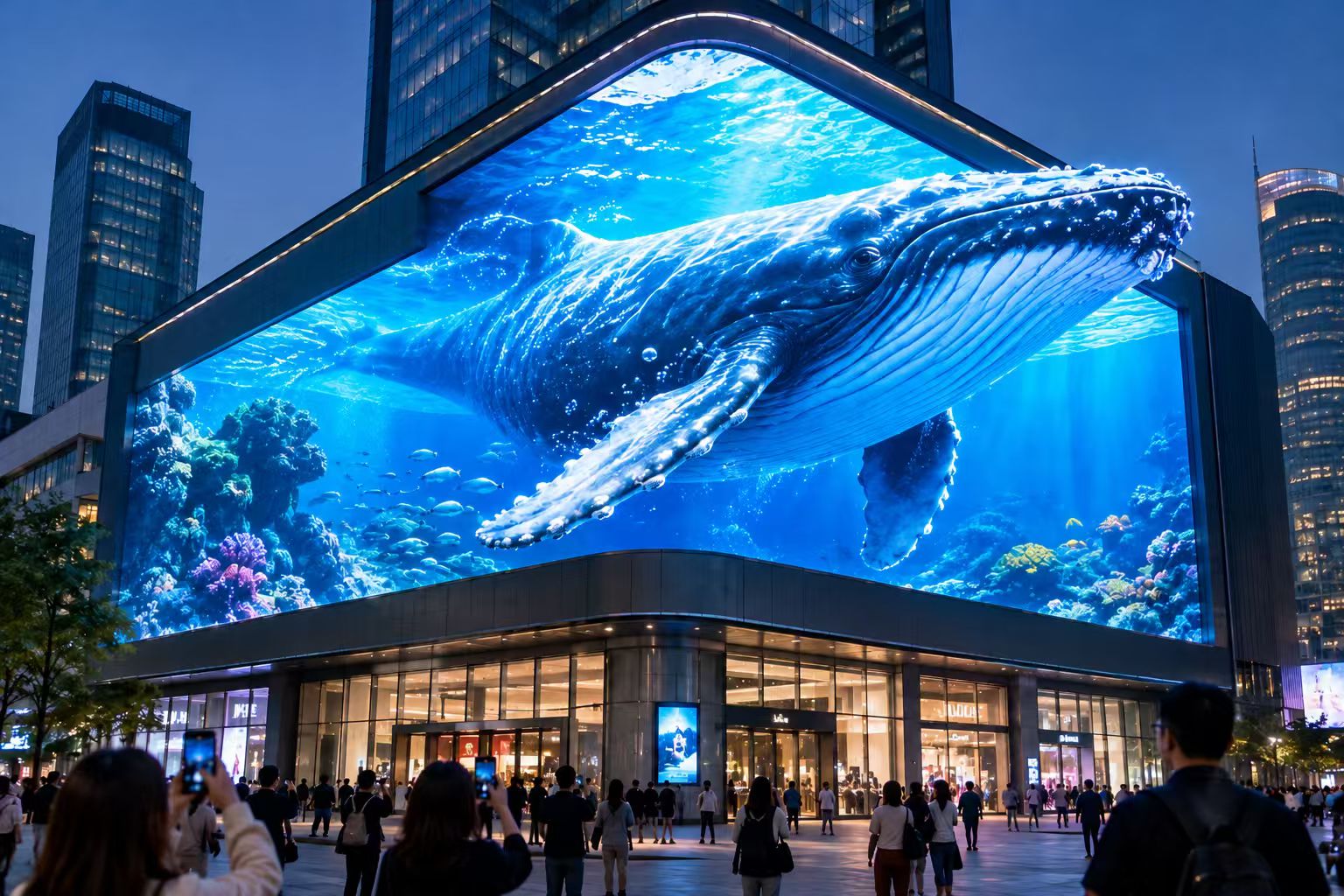
Outdoor LED Display
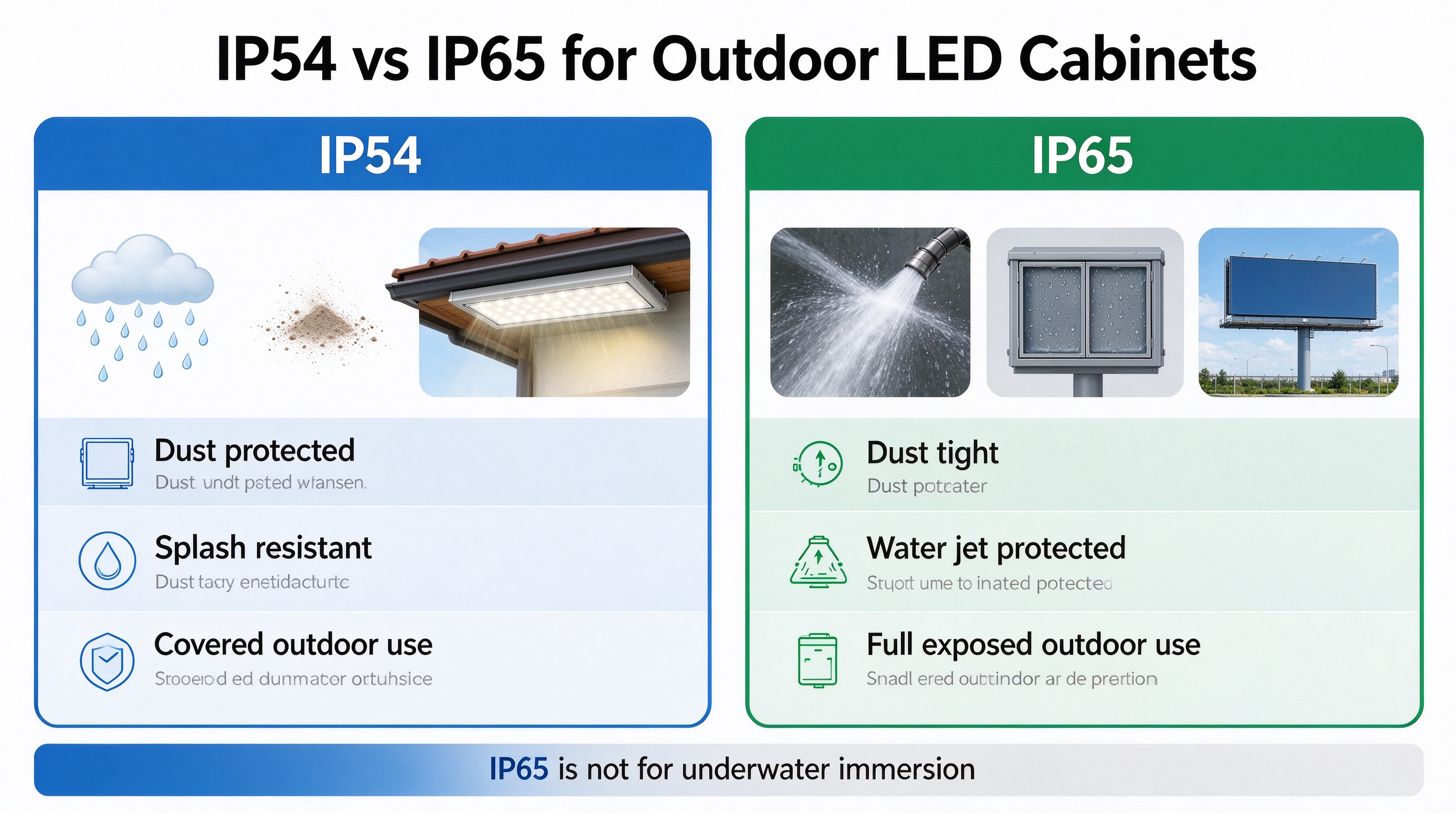
Outdoor LED displays need to operate under much more demanding conditions.
Important specifications include:
• High brightness
• Weather resistance
• Dust protection
• Water protection
• UV resistance
• Temperature resistance
• Wind-load considerations
• Efficient heat dissipation
• Reliable power and signal systems
Typical applications include:
• Outdoor advertising
• Digital billboards
• Stadiums
• Transportation hubs
• Building facades
• Public spaces
• Concert venues
For outdoor installations, the screen should be selected according to the actual local environment rather than simply choosing a product based on price.
⸻
5. How Bright Should an LED Display Be?
Brightness is particularly important for outdoor LED displays.
If an LED screen is installed under direct sunlight, insufficient brightness can make the content difficult to see.
However, excessive brightness is not necessarily better.
For indoor applications, excessive brightness may cause eye discomfort and can reduce the overall viewing quality.
The appropriate brightness depends on:
• Indoor or outdoor installation
• Direct sunlight exposure
• Ambient lighting
• Screen orientation
• Installation location
• Viewing distance
• Content type
For outdoor projects, brightness should also be considered together with automatic brightness control and the actual operating environment.
A professional LED display manufacturer can recommend an appropriate brightness range based on the project location and application.
⸻
6. Refresh Rate Matters for Professional Video
Refresh rate is especially important when the LED display will be recorded by professional cameras.
A suitable high-refresh-rate LED display can help reduce visible flicker, scanning lines, and camera-related image artifacts.
This is particularly important for:
• Broadcast studios
• Television production
• Concerts
• Live events
• Sports events
• Corporate events
• Virtual production
• XR applications
For camera-facing applications, do not evaluate refresh rate alone.
The complete display system—including LED modules, driver ICs, receiving cards, sending systems, video processors, and camera settings—can influence the final image performance.
For professional applications, it is recommended to test the LED display with the cameras that will actually be used in the project.
7. Resolution Depends on Pixel Pitch and Screen Size
Unlike a traditional LCD monitor, an LED display is often built from multiple cabinets or modules to achieve a customized screen size.
The final resolution depends on:
• Pixel pitch
• Screen dimensions
• Cabinet configuration
• Module size
• Viewing distance
A larger physical screen does not automatically require the smallest possible pixel pitch.
For example, an outdoor advertising screen may be several hundred square meters but still use a relatively large pixel pitch because the audience is viewing it from a long distance.
The objective is to achieve the right balance between:
Image Quality + Viewing Experience + Project Cost
rather than maximizing resolution regardless of application.
⸻
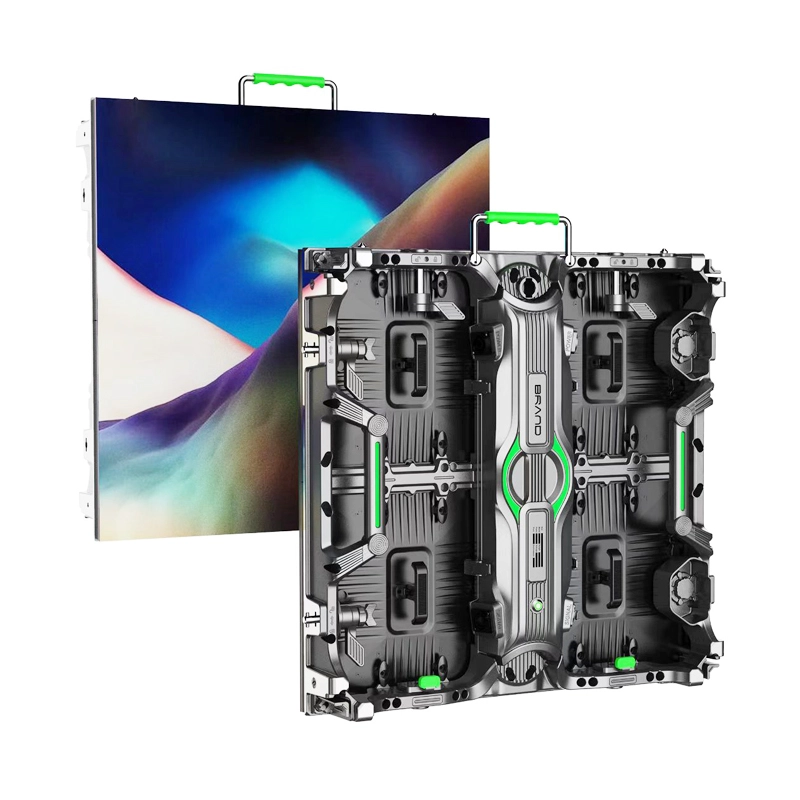
8. Cabinet Design Is More Important Than It Looks
The LED cabinet is not simply a frame for the display.
Cabinet design affects:
• Installation
• Transportation
• Weight
• Structural requirements
• Heat dissipation
• Maintenance
• Screen flatness
• Overall appearance
Different projects require different cabinet solutions.
Common options include:
• Standard fixed-installation cabinets
• Lightweight cabinets
• Die-cast aluminum cabinets
• Rental LED cabinets
• Outdoor waterproof cabinets
• Customized cabinets
For rental applications, lightweight cabinets with quick-lock systems can significantly improve installation efficiency.
For permanent installations, cabinet strength, heat dissipation, maintenance access, and structural compatibility become more important.
⸻
9. Front Maintenance vs. Rear Maintenance
Maintenance access should be considered during the design stage—not after installation.
Front Maintenance
Front-service LED displays allow technicians to access modules and components from the front.
They are particularly useful when the display is:
• Mounted directly against a wall
• Installed in a narrow space
• Integrated into an interior structure
• Difficult to access from behind
Front maintenance can significantly simplify service work when rear access is limited.
⸻
Rear Maintenance
Rear-maintenance LED displays allow technicians to access the display from the back.
This configuration can be suitable when there is sufficient maintenance space behind the screen.
Before choosing a cabinet, confirm:
• Available rear space
• Installation structure
• Maintenance frequency
• Replacement method
• Access requirements
A good LED display design should consider maintenance throughout the entire expected service life of the display.
⸻
10. Fixed LED Display vs. Rental LED Display
One of the most important decisions is whether the project requires a fixed LED display or a rental LED display.
Fixed LED Display
Fixed LED displays are designed for long-term installation.
Typical applications include:
• Outdoor advertising
• Shopping malls
• Corporate buildings
• Stadiums
• Transportation hubs
• Retail stores
• Permanent digital signage
The main priorities are:
• Long-term reliability
• Structural stability
• Energy efficiency
• Maintenance
• Weather resistance
• Total cost of ownership
⸻
Rental LED Display
Rental LED displays are designed for repeated installation and removal.
Typical applications include:
• Concerts
• Events
• Exhibitions
• Conferences
• Stage performances
• Live shows
Rental LED displays typically prioritize:
• Lightweight cabinet design
• Fast installation
• Quick disassembly
• Easy transportation
• Flexible configuration
• Easy maintenance
• Corner protection
For event companies and rental businesses, installation speed can have a direct impact on operational efficiency and profitability.
⸻
11. Consider Color Performance
For professional LED displays, color performance is more than simply looking at brightness.
Important factors include:
• Color accuracy
• Grayscale performance
• Contrast
• Brightness consistency
• Color consistency
• Module-to-module uniformity
These characteristics are particularly important for:
• Advertising
• Retail
• Broadcast
• Photography
• Luxury brands
• Corporate presentations
• Virtual production
Poor color consistency can make different areas of the same screen appear slightly different, reducing the professional appearance of the entire display.
For large installations, calibration and consistency between cabinets are therefore important considerations.
⸻
12. Consider Energy Consumption and Total Cost of Ownership
Price per square meter is one of the most common ways LED displays are compared.
However, it should not be the only factor.
A lower purchase price can sometimes lead to higher long-term operating costs.
When evaluating an LED display project, consider:
Initial Investment
• LED cabinets
• Receiving cards
• Sending system
• Video processor
• Power supplies
• Structural components
• Installation
Operating Costs
• Electricity consumption
• Maintenance
• Spare parts
• Replacement modules
• Technical support
Long-Term Factors
• Product reliability
• Expected service life
• Downtime
• Warranty
• Availability of spare parts
This is why professional buyers should consider Total Cost of Ownership (TCO) rather than simply comparing the initial purchase price.
13. Installation and Structural Requirements
Large LED displays require more than the screen itself.
The installation structure should be designed according to:
• Screen weight
• Wind load
• Installation height
• Building structure
• Screen dimensions
• Local regulations
• Maintenance access
Depending on the application, installation methods may include:
• Wall mounting
• Hanging installation
• Floor standing
• Pole mounting
• Steel structure installation
• Building facade installation
• Rental stacking
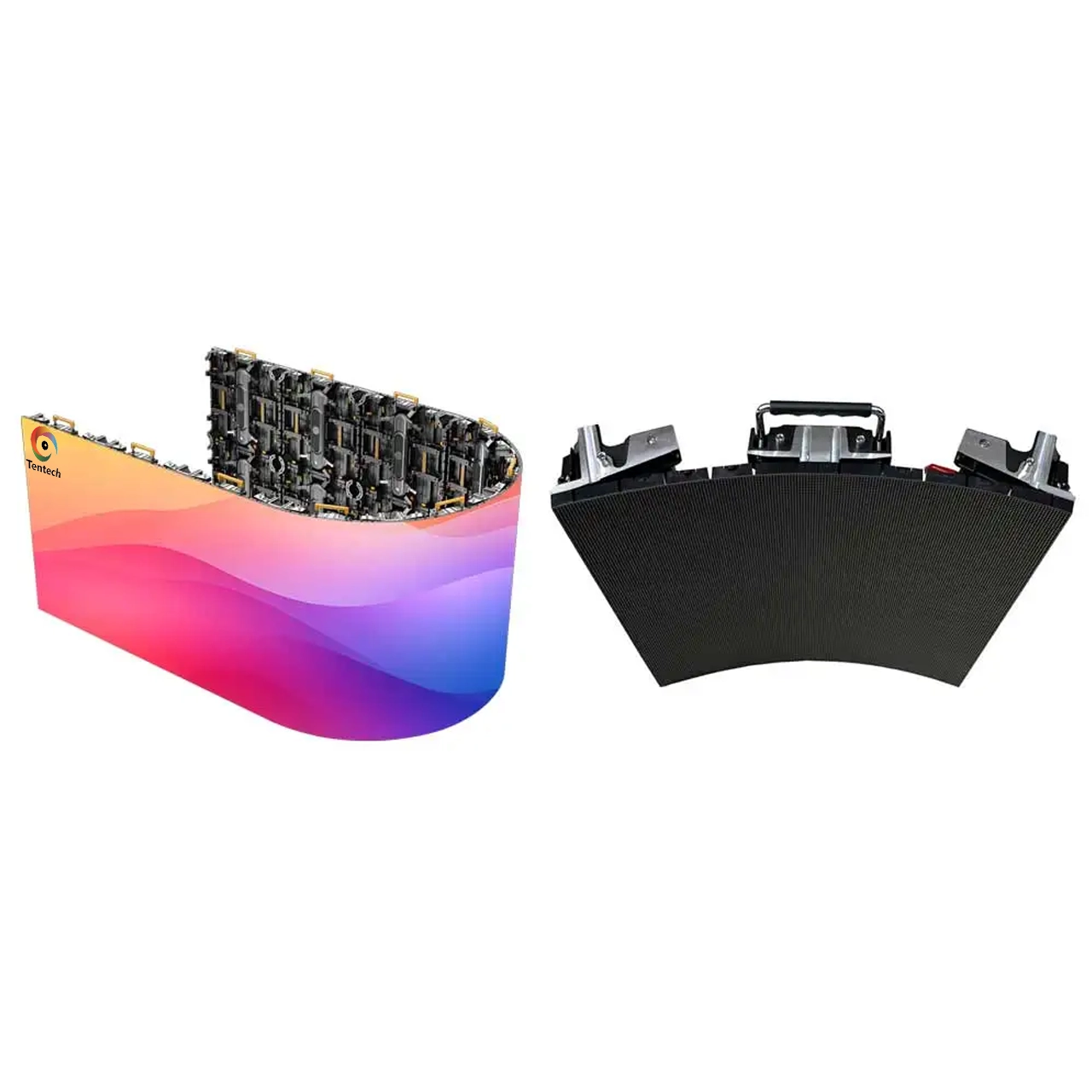
• Curved installation
For large outdoor projects, structural safety should always be evaluated by qualified professionals according to local requirements.
A professional LED display manufacturer should be able to provide product drawings, cabinet dimensions, weight information, and technical installation data.
⸻
14. Choose the Right Control System
The LED display itself is only one part of the complete visual system.
Depending on the application, the system may include:
• Sending cards
• Receiving cards
• Video processors
• Media servers
• Control software
• Signal distribution
• Monitoring systems
For standard advertising applications, the control system may be relatively simple.
For large-scale events, broadcast, XR, or virtual production, more advanced processing and synchronization capabilities may be required.
Therefore, control-system compatibility should be confirmed before purchasing the LED display.
⸻
15. What Should You Ask an LED Display Manufacturer?
Before placing an order, professional buyers should request more than a simple quotation.
Ask the supplier for:
Product Specifications
• Pixel pitch
• LED type
• Module size
• Cabinet size
• Cabinet weight
• Brightness
• Refresh rate
• Contrast
• Viewing angle
• Power consumption
Project Information
• Recommended viewing distance
• Indoor/outdoor suitability
• Installation method
• Maintenance method
• Structural requirements
Quality & Support
• Product testing
• Certifications
• Warranty
• Spare parts
• Technical support
• Installation guidance
• After-sales service
For international projects, communication and technical support can be just as important as hardware specifications.
⸻
16. How to Choose a Reliable LED Display Manufacturer
The manufacturer you choose can have a significant impact on the success of the project.
A reliable LED display manufacturer should be able to provide more than standard products.
Look for a supplier that can offer:
• Multiple pixel pitch options
• Indoor and outdoor LED displays
• Fixed and rental solutions
• Customized cabinet configurations
• OEM and ODM services
• Technical drawings
• Sample testing
• Quality control
• Spare parts
• Warranty support
• Installation assistance
• After-sales technical support
For distributors and system integrators, consistent product quality and long-term technical support are particularly important.
A supplier should be capable of supporting the project from product selection and engineering design through installation and after-sales service.
⸻
LED Display Buying Checklist
Before purchasing an LED display, confirm the following:
✓ Application: Indoor or Outdoor
✓ Screen dimensions
✓ Pixel pitch
✓ Minimum viewing distance
✓ Typical viewing distance
✓ Resolution
✓ Brightness
✓ Refresh rate
✓ LED configuration
✓ Cabinet size
✓ Cabinet weight
✓ Cabinet material
✓ Front or rear maintenance
✓ IP protection
✓ Installation method
✓ Power consumption
✓ Control system
✓ Color performance
✓ Warranty
✓ Spare parts
✓ Technical support
✓ Installation support
✓ After-sales service
⸻
Frequently Asked Questions About LED Displays
What pixel pitch should I choose for an LED display?
The correct pixel pitch depends primarily on viewing distance, screen size, content requirements, and budget.
Smaller pixel pitches are generally more suitable for close-viewing applications, while larger pixel pitches can be more appropriate for large outdoor screens viewed from greater distances.
⸻
What is the difference between an indoor and outdoor LED display?
Indoor LED displays generally focus on fine pixel pitch, high image quality, color performance, and slim cabinet design.
Outdoor LED displays require higher brightness and greater protection against weather, dust, moisture, temperature changes, and other environmental conditions.
⸻
What is a good refresh rate for an LED display?
The required refresh rate depends on the application.
For standard digital signage, moderate refresh rates may be sufficient. For live events, broadcast, sports, and camera-facing applications, a higher refresh rate is generally preferred to improve camera performance and reduce visible flicker.
⸻
Should I choose a fixed or rental LED display?
Choose a fixed LED display when the screen will remain installed for a long period.
Choose a rental LED display when the screen needs to be repeatedly installed, removed, transported, and reconfigured.
⸻
How long does an LED display last?
Actual service life depends on LED components, operating conditions, brightness settings, thermal management, usage hours, and maintenance.
A properly designed and maintained professional LED display can provide many years of service.
Always evaluate the manufacturer’s warranty, component quality, maintenance support, and operating conditions rather than relying on a single lifespan number.
⸻
How much does an LED display cost?
LED display pricing depends on:
• Pixel pitch
• Indoor or outdoor application
• Screen size
• Cabinet design
• Brightness
• Refresh rate
• Control system
• Installation structure
• Quantity
• Customization
• Shipping and installation requirements
For this reason, professional LED display projects are usually quoted according to the complete project specification rather than a single universal price.
⸻
Why Choose TentechLED for Your LED Display Project?
Selecting an LED display is a project decision, not simply a product purchase.
At TentechLED, the focus should be on matching the display configuration to the actual application, viewing environment, installation requirements, and long-term operating goals.
Whether you are sourcing an indoor fine-pitch LED display, outdoor fixed LED display, rental LED display, or customized LED display solution, the right product configuration can make a significant difference to image quality, reliability, installation efficiency, and total project cost.
For distributors, system integrators, contractors, event companies, advertising companies, and project owners, a professional LED display supplier can provide support throughout the project—from product selection and technical consultation to production, testing, delivery, installation guidance, and after-sales service.
Planning an LED Display Project?
Send us your:
• Screen size
• Viewing distance
• Indoor or outdoor application
• Installation location
• Intended use
• Preferred pixel pitch, if known
• Estimated quantity
Our team can help evaluate the project requirements and recommend a suitable LED display configuration.
Contact TentechLED today to discuss your project and request a professional LED display solution.
⸻
Conclusion
Choosing the right LED display requires more than comparing product prices.
The right solution should be based on the complete project requirements, including pixel pitch, viewing distance, screen size, brightness, refresh rate, color performance, cabinet design, installation environment, maintenance method, power consumption, control system, and long-term operating requirements.
By selecting the correct specifications before purchasing, project owners and professional buyers can achieve better image quality, greater reliability, easier maintenance, and better long-term value.
The goal is not to buy the most expensive LED display or the cheapest one.
The goal is to choose the right LED display for the right application.