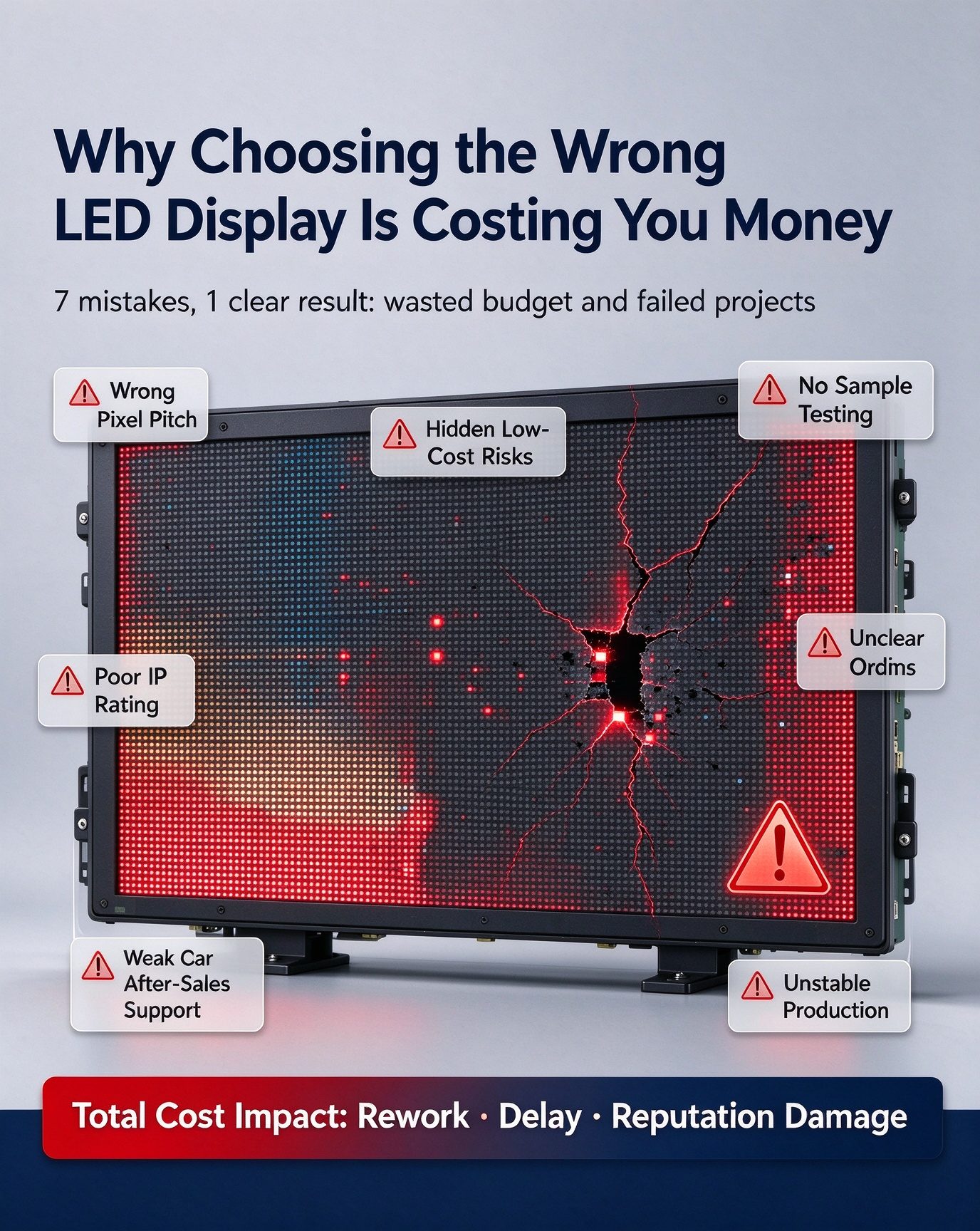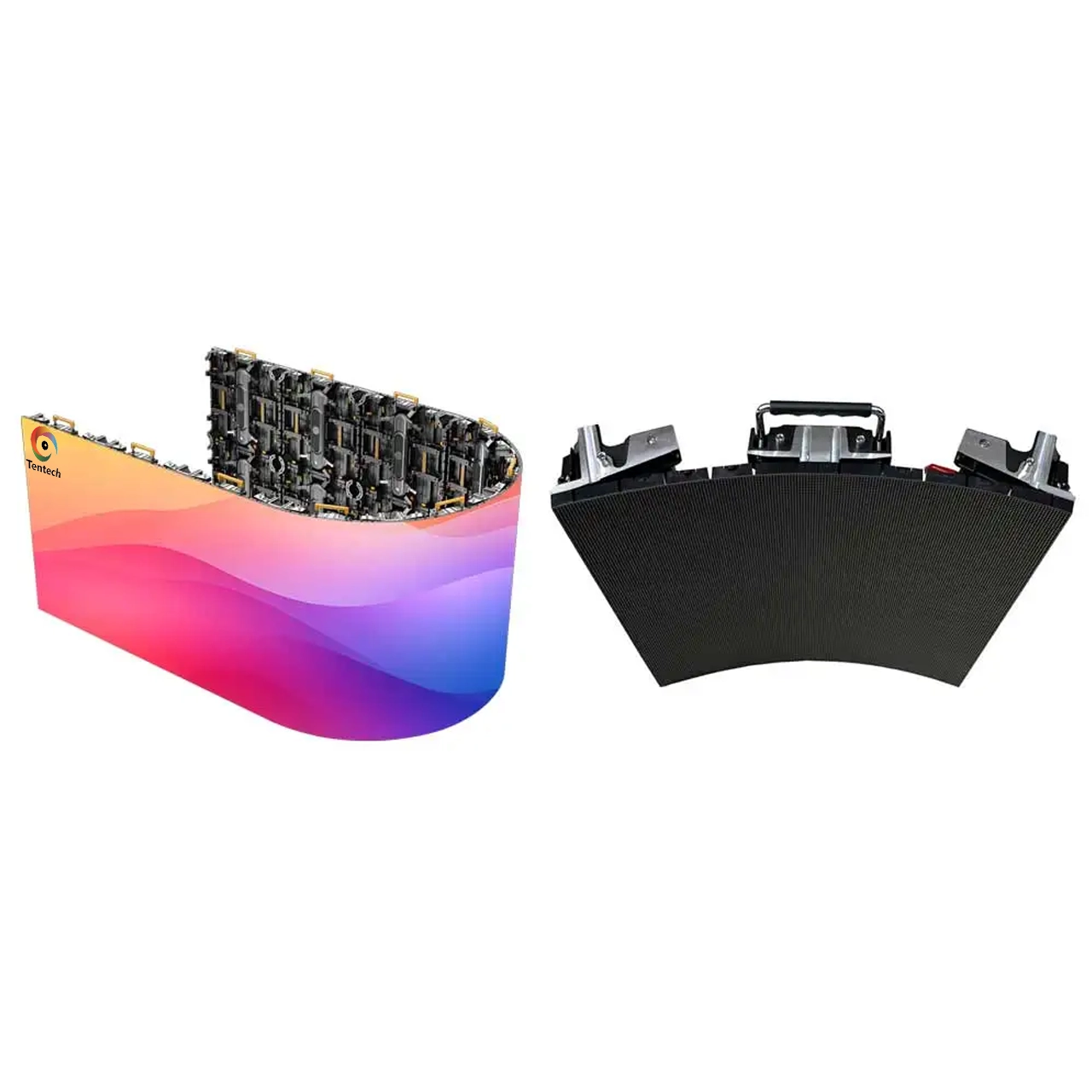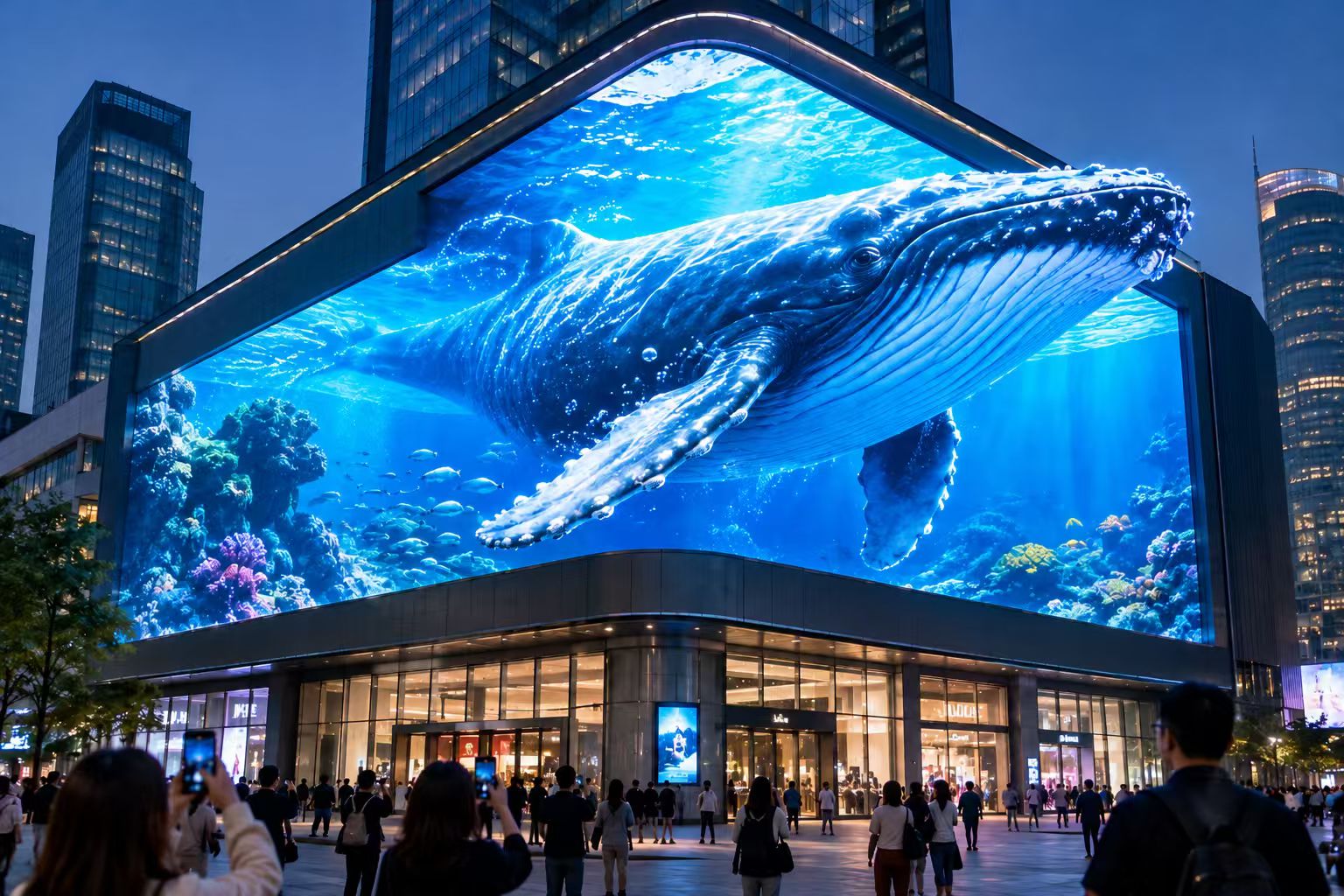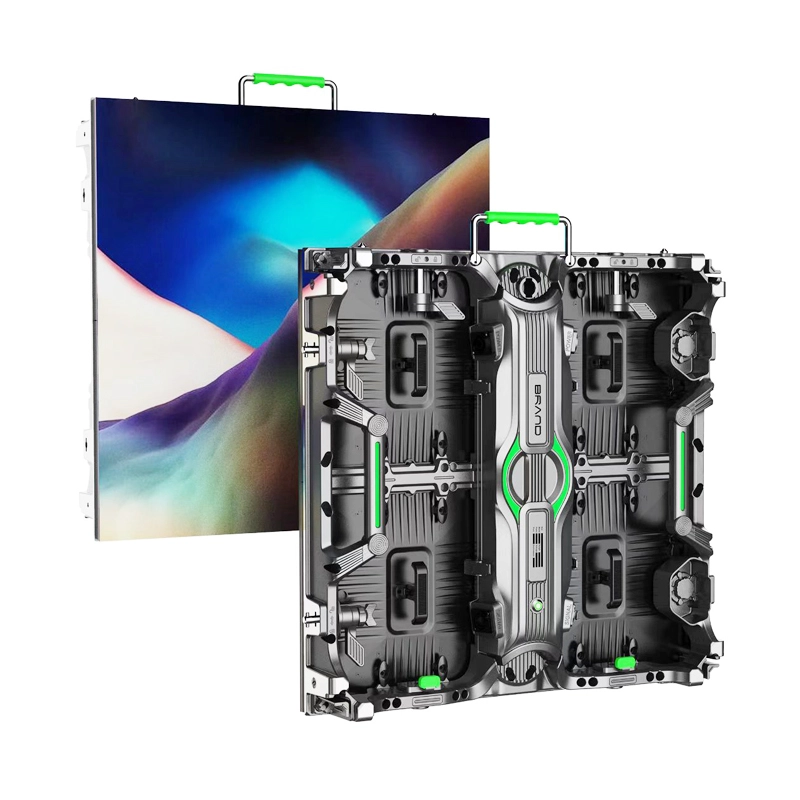

Introduction Sourcing LED display for wholesale and engineering projects seems straightforward at first glance. However, many importers, installation contractors and resellers have experienced heavy losses due to simple oversights. Some received LED screens with wrong pixel pitch that do not match viewing distance; some faced high dead pixel rates after installation; others were trapped by hidden costs and long lead times.
Most of these troubles do not come from expensive product prices, but from avoidable mistakes in the purchasing process. Whether you are a new buyer placing your first bulk order or an experienced merchant expanding your supplier list, understanding these pitfalls can save you time, money and project reputation.
In this post, we will break down 7 of the most common mistakes when buying LED display for wholesale and projects, and share actionable ways to avoid each problem.
1. Choosing Wrong Pixel Pitch for Viewing Distance
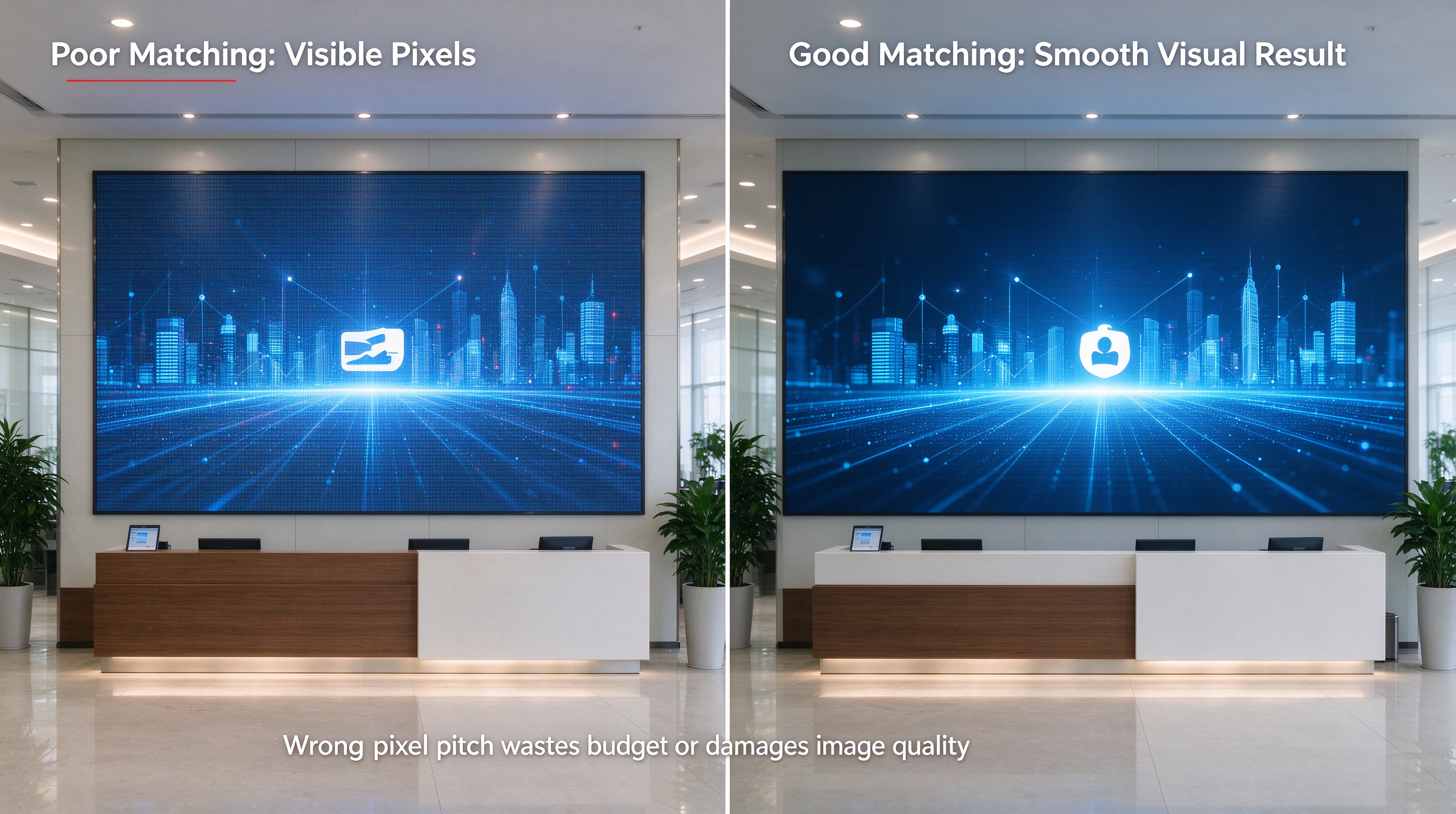
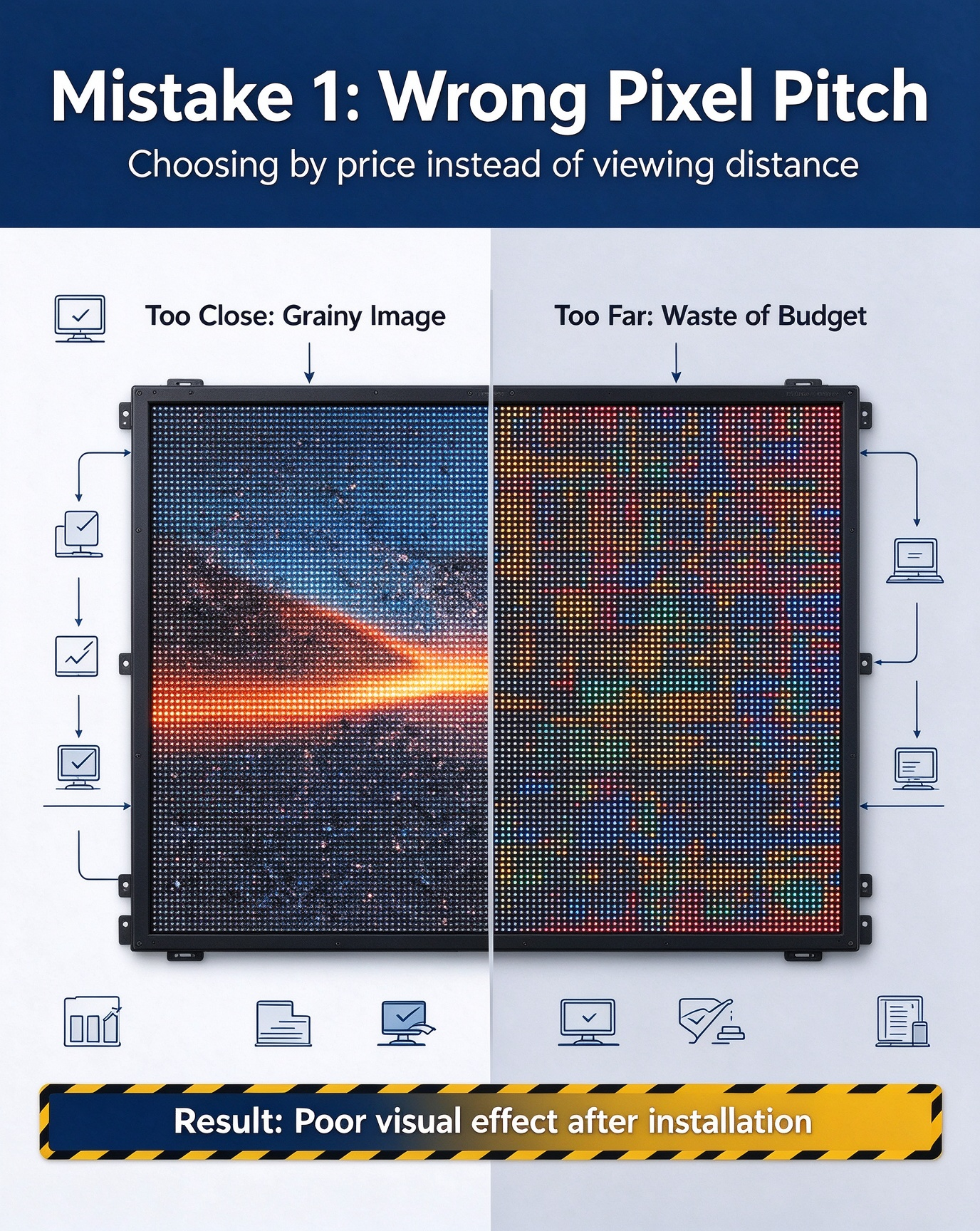
This is the No.1 mistake for LED display buyers. Many buyers pick pixel pitch only by price, without considering the actual viewing distance of the project. A P2.5 screen will be wasteful for outdoor far viewing; while P4 screen will look grainy for close viewing indoor projects.
Wrong pixel pitch leads to bad visual effect after installation. Always confirm viewing distance, indoor/outdoor environment before finalizing pixel pitch. You can send your project parameters to Tentech team for professional suggestion.
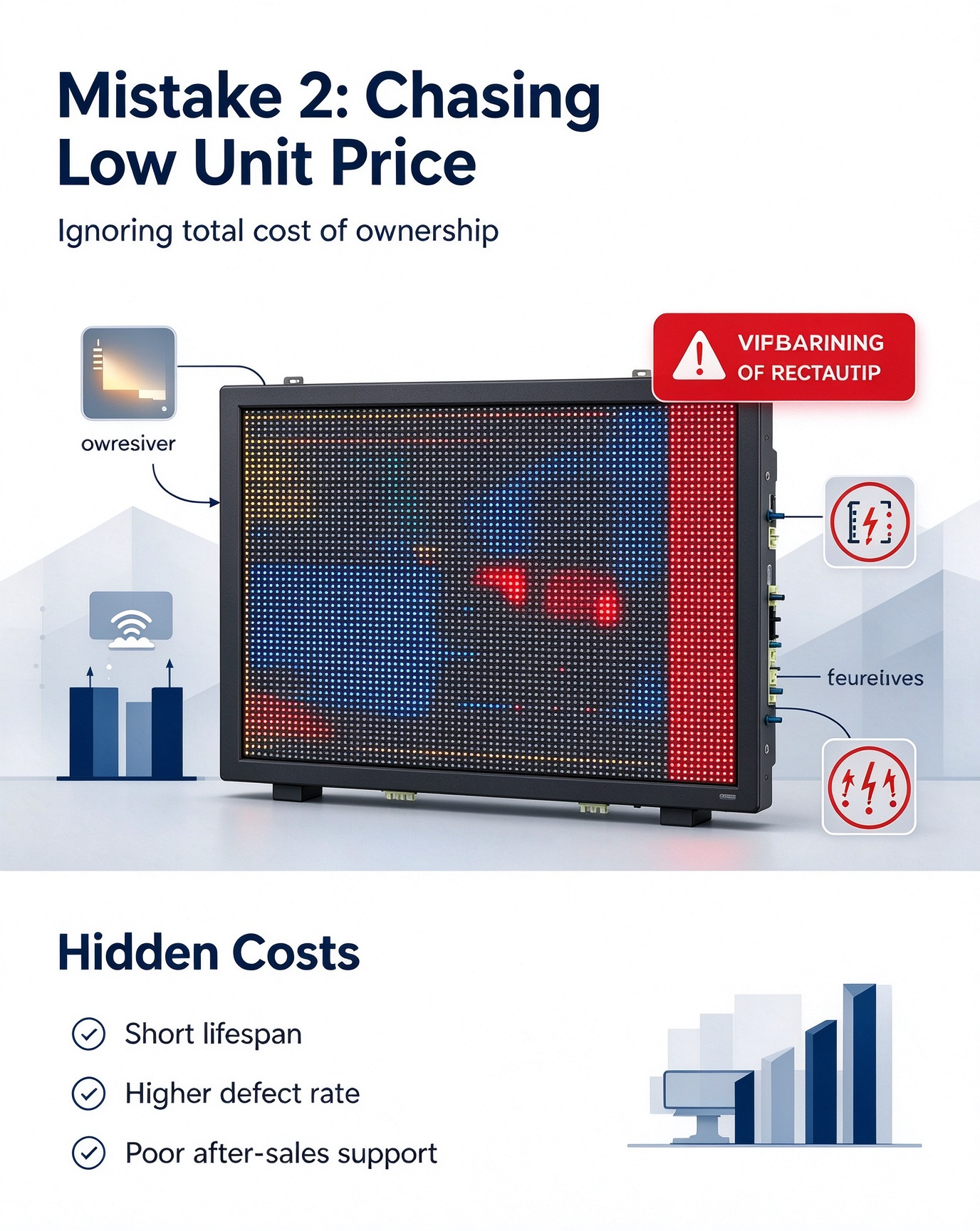
2. Focusing Only on Low Unit Price
Low prices always attract buyers, but cheap LED display often comes with hidden risks. Inferior LED chips, low-quality power supplies and driving ICs cause fast brightness attenuation, dead pixels and frequent breakdown. Your end clients will complain about screen failure, which damages your project reputation.
Instead of chasing the lowest price, evaluate the total cost: panel lifespan, defect rate, after-sales support and warranty policy. Reasonable cost performance brings more stable long-term business.
3. Skipping Sample Testing Before Bulk Order
Some buyers skip sample testing to save time, especially when they are in a hurry for project delivery. This is a huge risk. Photos and descriptions cannot fully reflect brightness, heat dissipation, cabinet assembly and real display performance.
A sample lets you check quality, color consistency and workmanship. Test the sample under real working conditions. Only approve mass production after the sample passes your inspection. Tentech supports sample testing for all LED display series.
4. Overlooking IP Rating & Environmental Adaptability
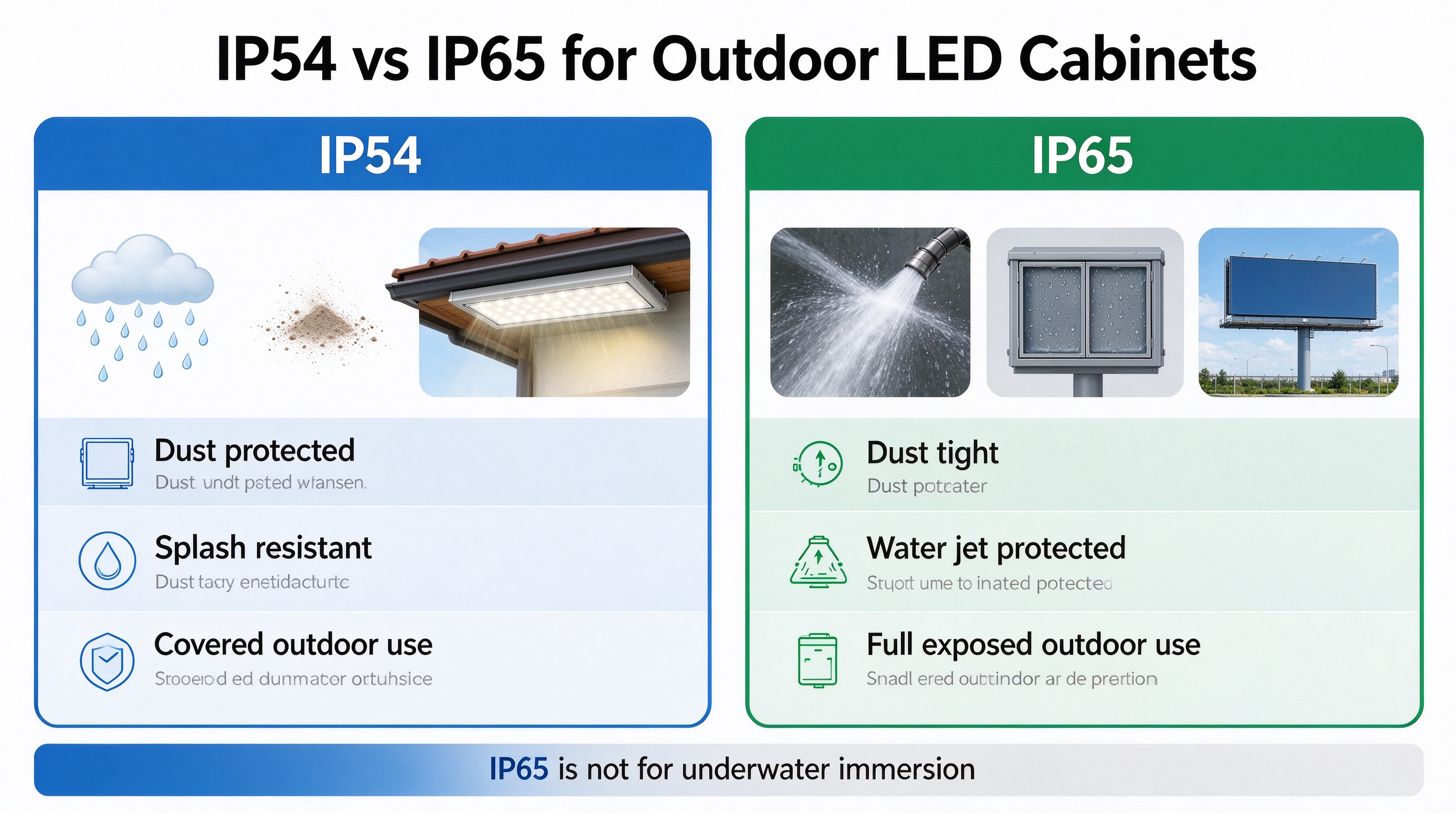
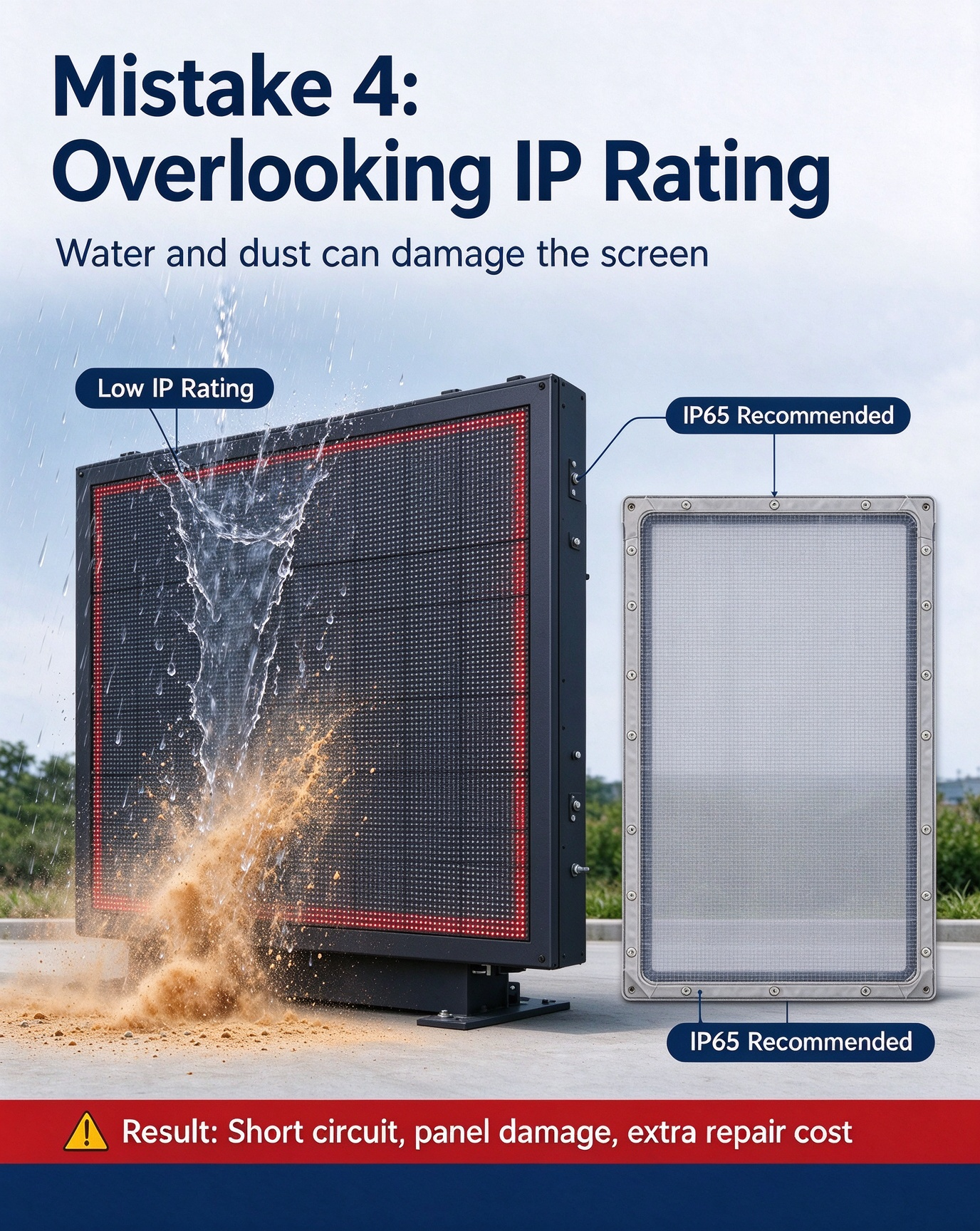
Outdoor LED display requires high IP waterproof and dustproof grade. Many buyers ignore IP rating difference. Low IP screens will have water leakage problem, short circuit and panel damage when used outdoors.
Confirm the working environment clearly. Outdoor projects need IP65 front / rear protection; indoor rental screens usually require IP54. Clarify environmental requirements with your supplier before order.
5. Not Clarifying MOQ, Lead Time and Shipping Terms
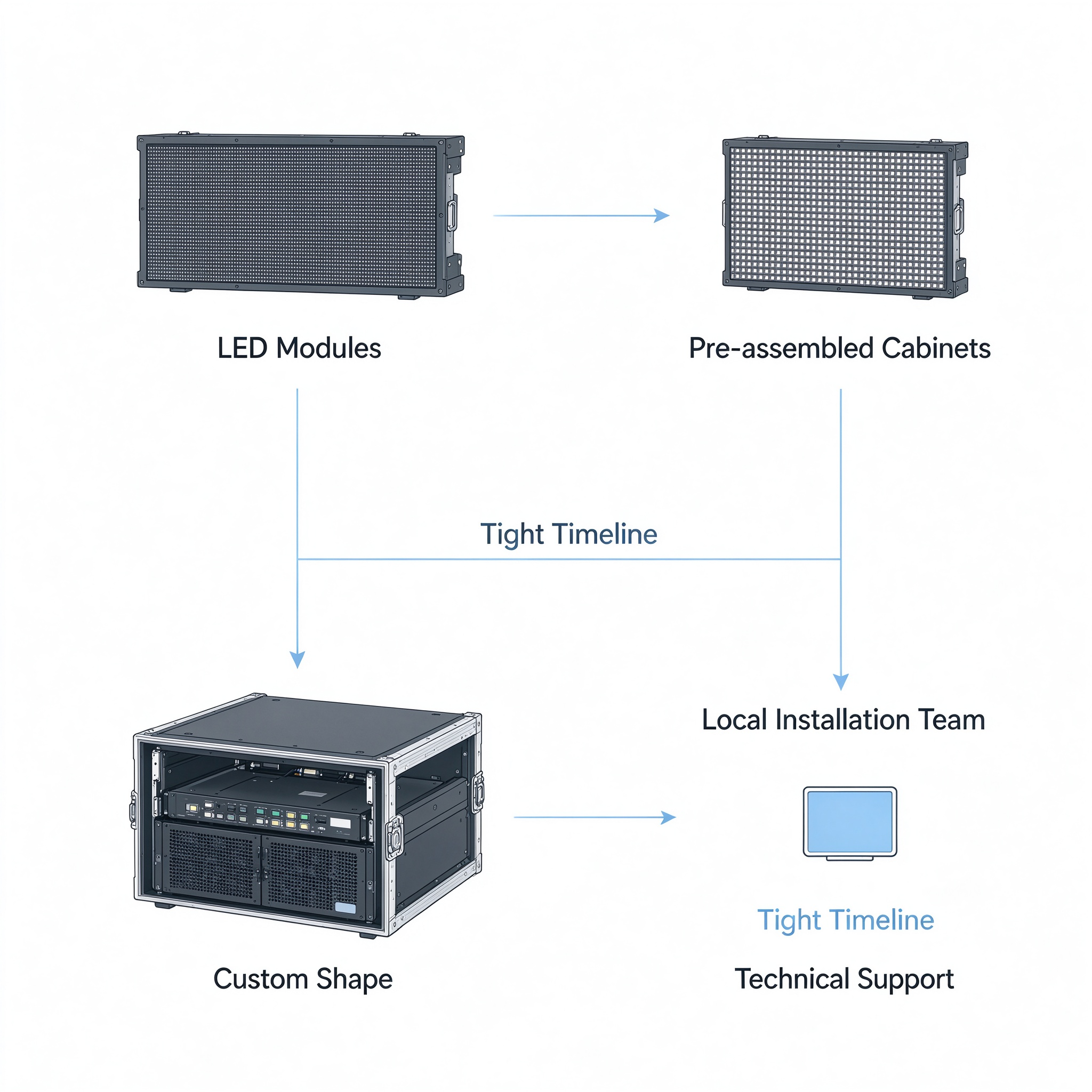
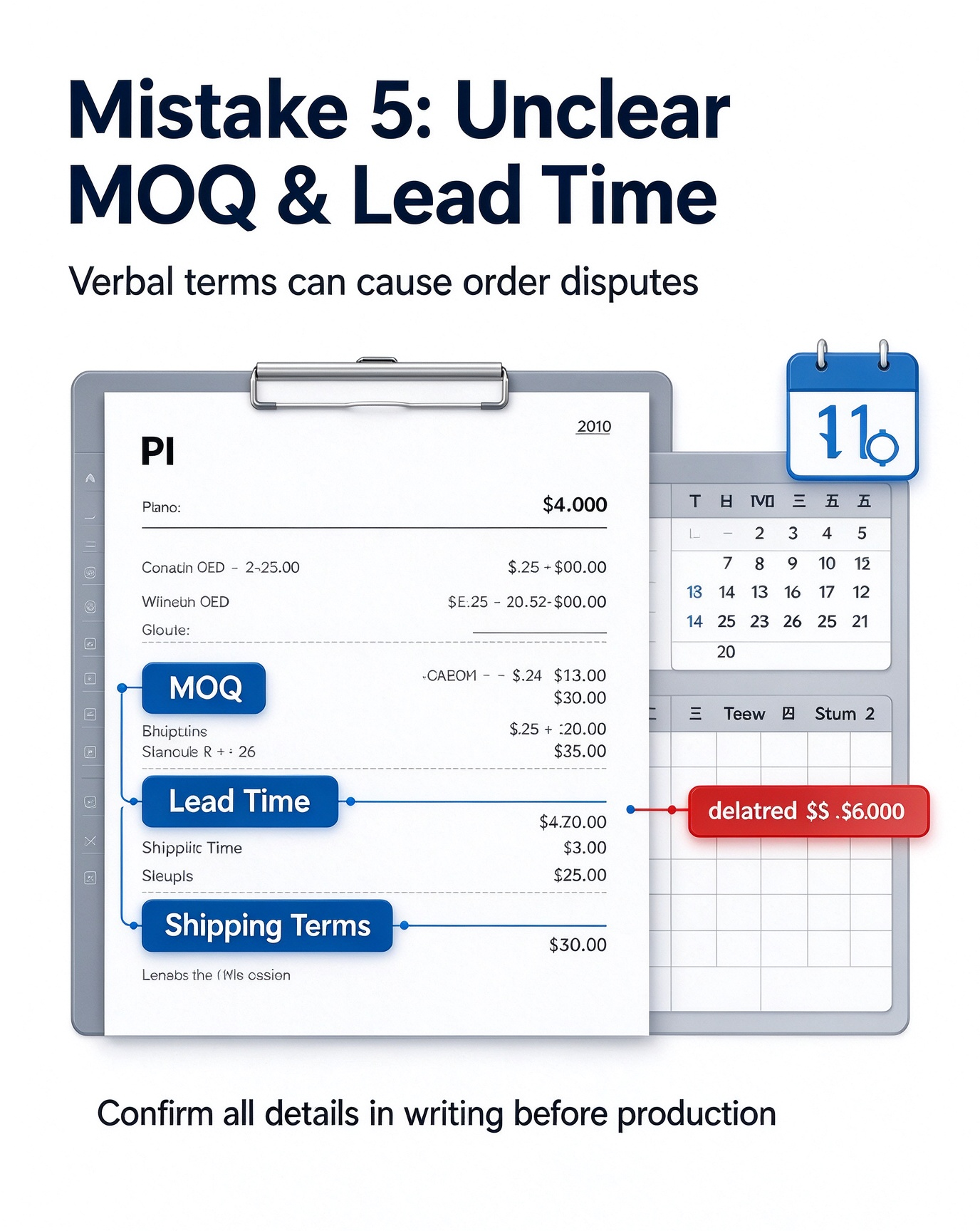
Many misunderstandings happen around MOQ, production lead time and shipping. Some suppliers advertise low MOQ on websites, but add extra tooling fees for custom cabinet design. Delays in production may break your project schedule and affect your client delivery.
Confirm all terms in writing: minimum order quantity, production time, packaging method, freight term and estimated delivery date. Lock these details in your PI to prevent unexpected changes.
6. Neglecting Warranty & After-Sales Technical Support
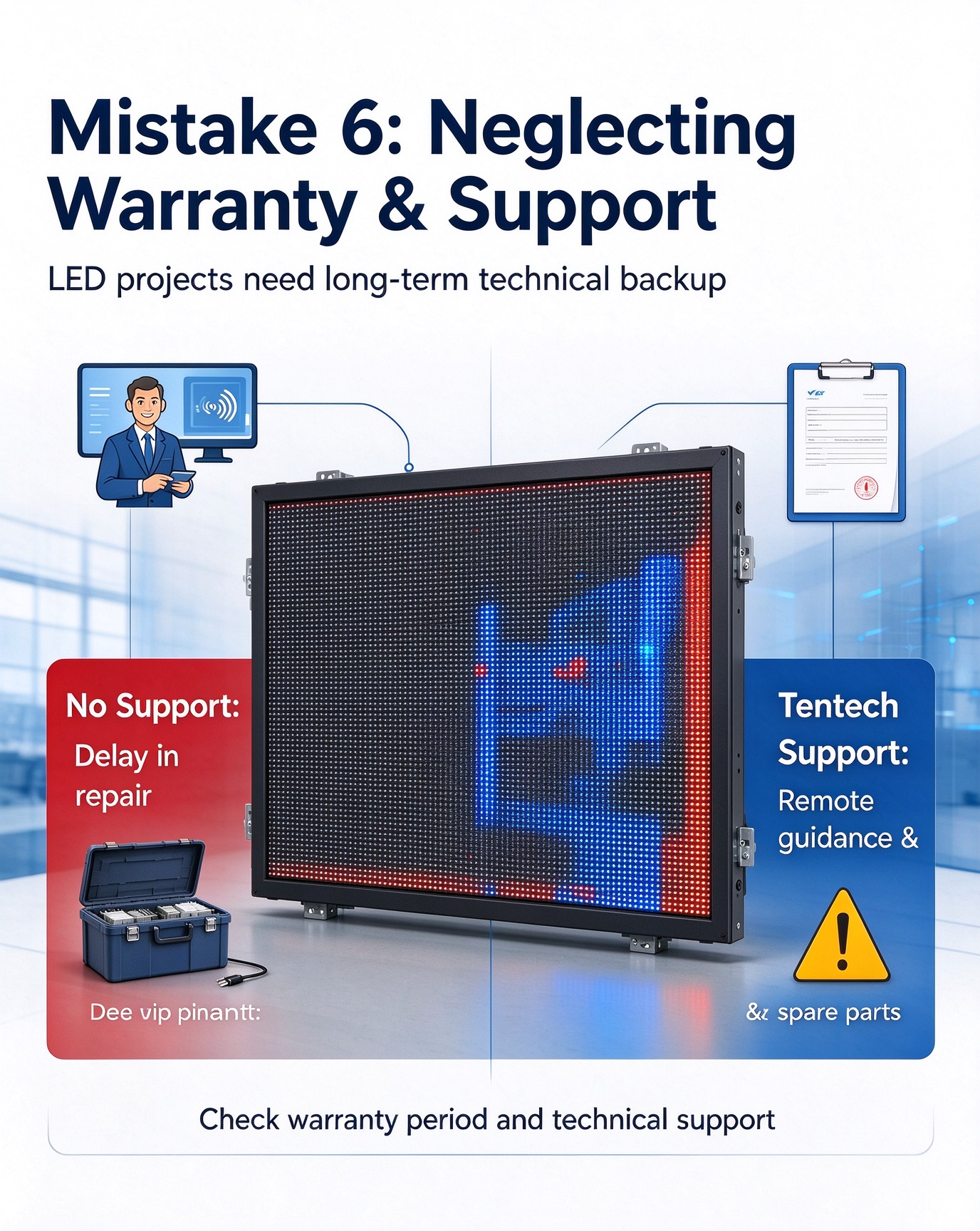
LED display projects need long-term after-sales support. Many suppliers only provide short warranty or cannot offer remote technical guidance. Once the screen has problems after installation, you cannot get timely support and repair guidance.
Confirm warranty period, spare parts policy and technical support method before purchase. Tentech provides reliable warranty and global remote technical support for all LED display projects.
7. Choosing Suppliers Without Stable Production Capacity
A supplier may offer great samples, yet fail to maintain consistent quality when scaling up to bulk orders. Small workshops may lack stable chip supply and mature production lines. Once orders surge, quality drops and delivery gets delayed.
Check the supplier’s factory scale, equipment, production capacity and export history. Tentech is a professional LED display manufacturer with stable production capacity for wholesale and engineering orders.
Conclusion
Procurement mistakes in LED display can lead to wasted capital, failed projects and unhappy end customers. Most risks can be controlled by verifying pixel pitch, testing samples, confirming IP rating and choosing stable suppliers.
If you need high-quality LED display with stable quality for your wholesale and engineering projects, Tentech team can provide sample testing, custom cabinet design and full export documentation. Contact us to discuss your LED display requirements.