
Why energy efficient LED screens matter more than buyers used to think
When people shop for energy efficient LED screens, the first conversation is often about picture quality, pixel pitch, and whether the display will look sharp enough from the back of a hall or across a street. That part matters. But in many projects, the real decision comes later, when someone starts comparing power draw, heat load, utility costs, enclosure design, and how long the screen can run before the operating budget starts to feel it.
That shift is important because LED display screens are no longer just a visual feature. They are part of the facility’s electrical load, thermal load, maintenance plan, and sometimes even its permitting conversation. A screen that looks impressive on day one but runs hotter than expected or demands oversized infrastructure can complicate a project quickly. Buyers trying to choose between low power LED screens and brighter, more aggressive options need a practical way to think about trade-offs, not just a glossy spec sheet.
The basic trade-off: brightness, power, and where the screen will live
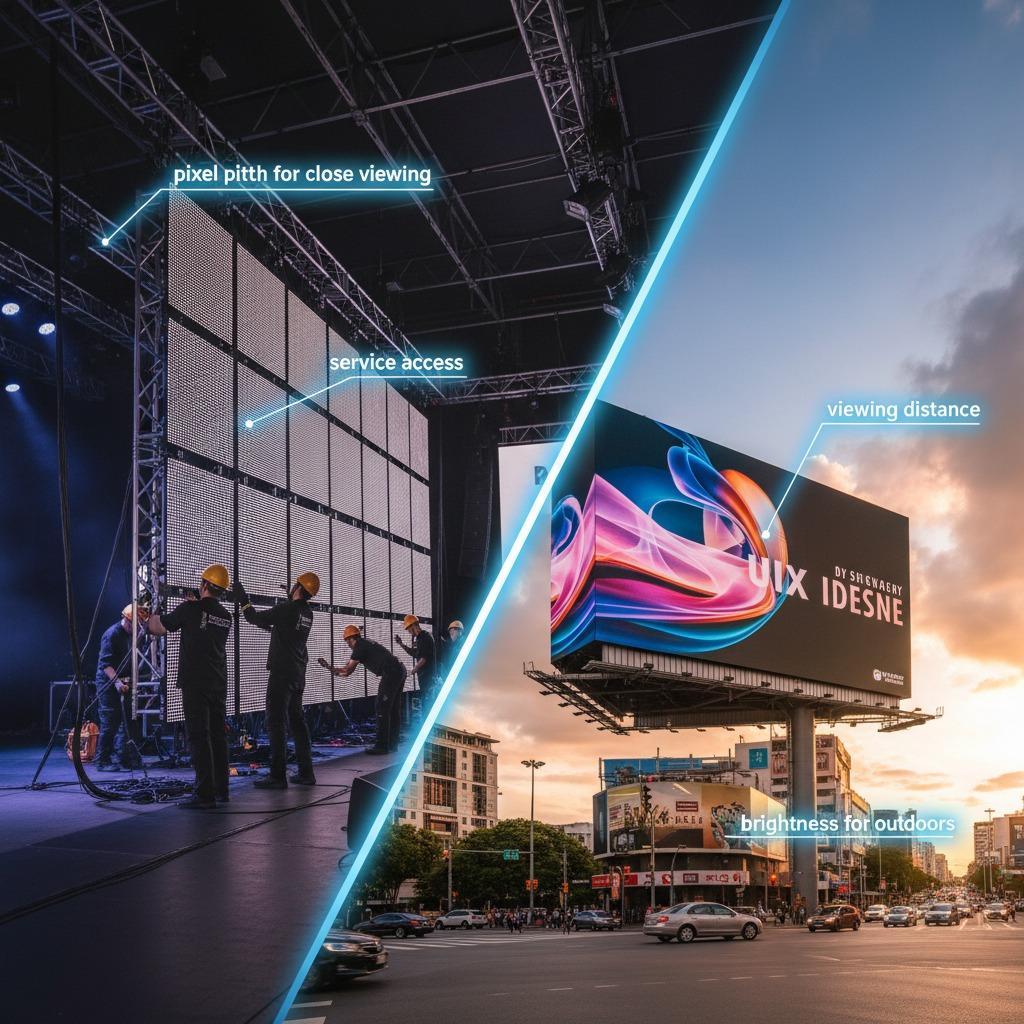
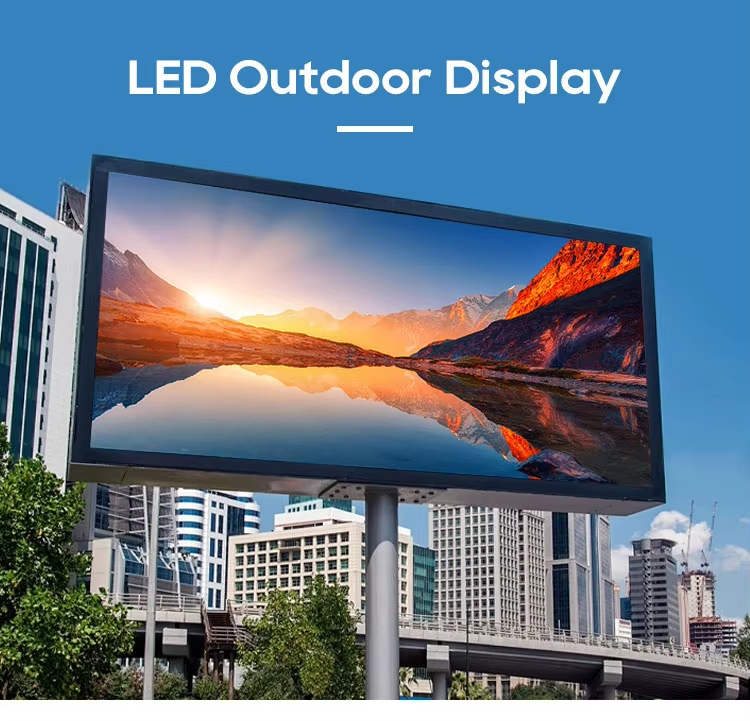
Every LED display design makes compromises. High brightness LED displays are useful outdoors, in airport terminals with heavy sunlight, or anywhere ambient light can wash out the image. But higher brightness usually means higher power consumption and more heat. That does not automatically make them the wrong choice. It just means the buyer should match the screen to the application instead of chasing maximum output by default.
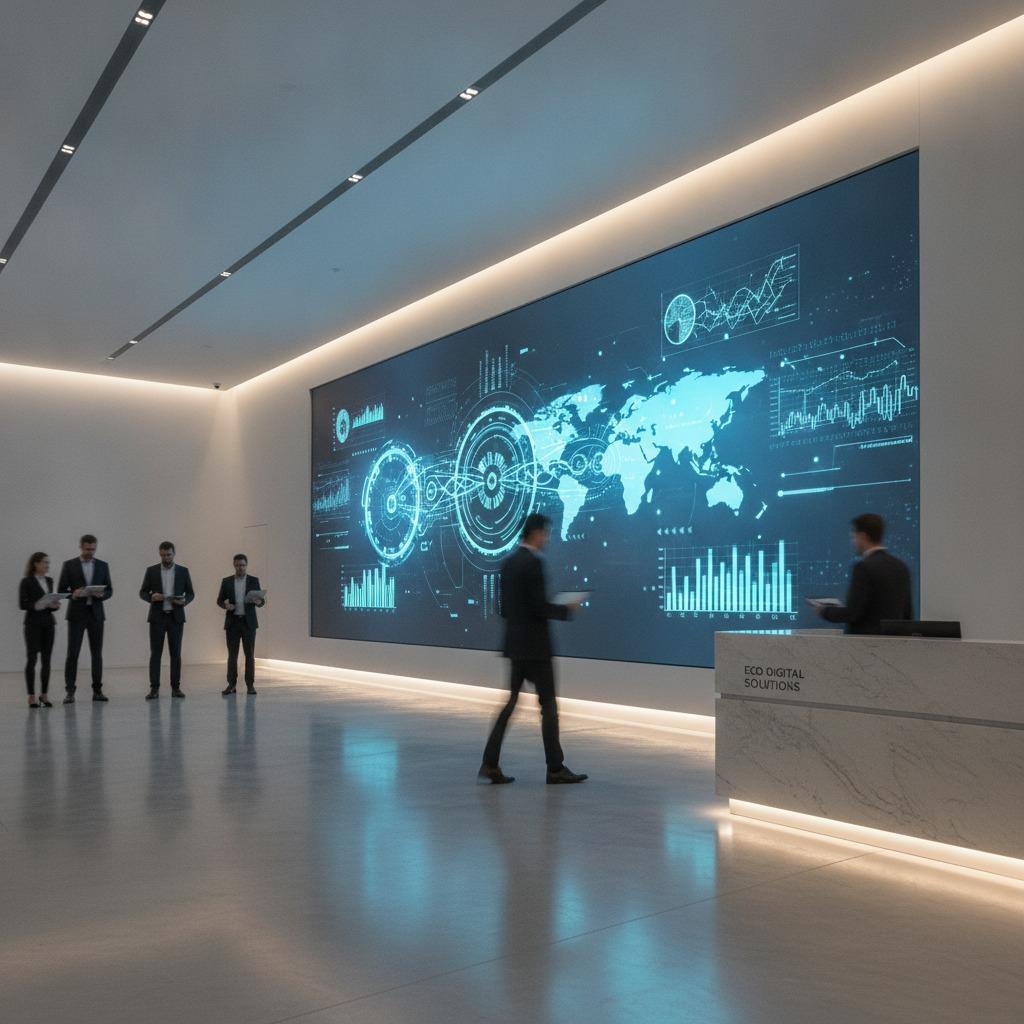
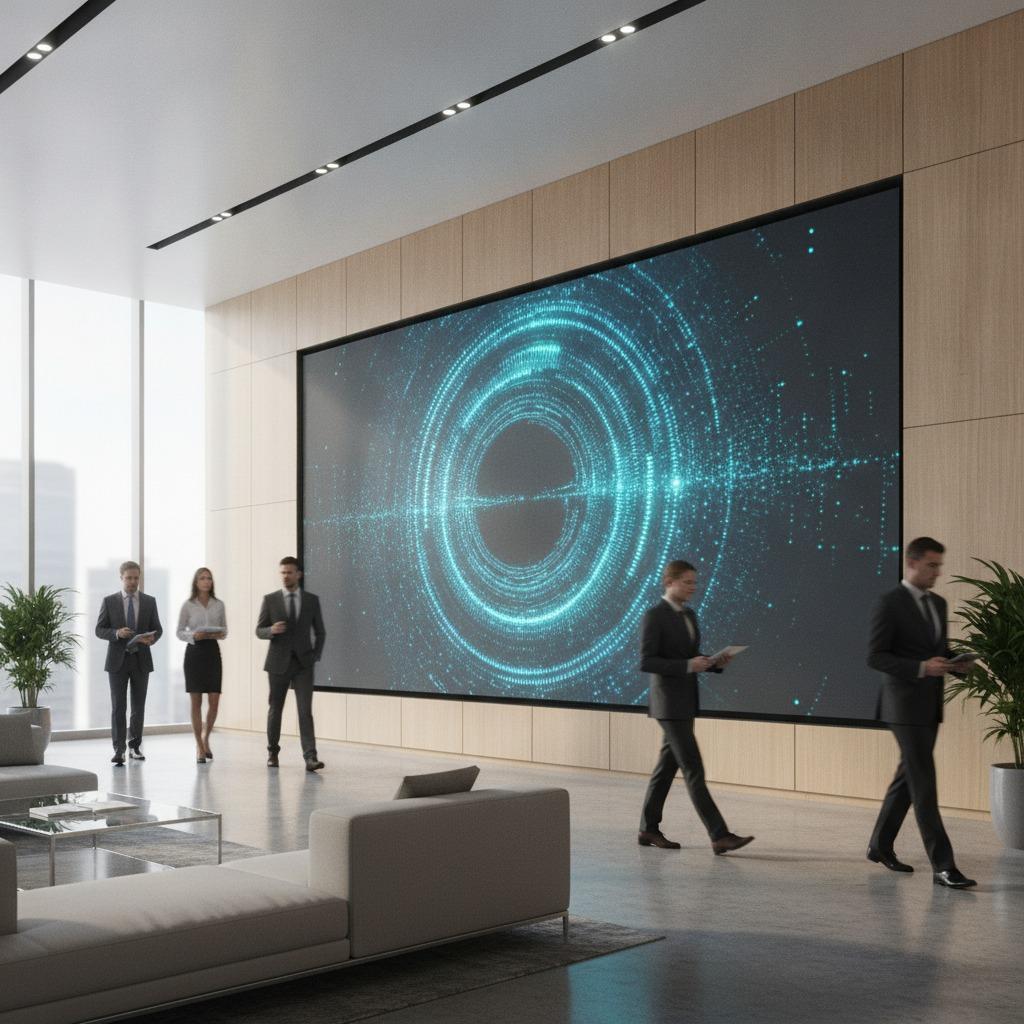
Indoors, the calculus changes. In a control room, conference space, retail environment, or lobby, energy efficient LED screens can deliver strong visual impact without the constant overperformance that a sunlit installation needs. The useful question is not “What is the brightest panel available?” It is “What brightness is actually required for the viewing distance, ambient light, and content type?” That is the sort of question engineers and sourcing teams should be asking early, before cabinet dimensions and mounting hardware are locked in.
What makes an LED screen energy efficient in practice
There is no single trick. Efficiency comes from the combination of design choices. Drivers, power supplies, module layout, thermal management, and control logic all affect consumption. A screen that can dim intelligently in low ambient light will usually save more energy over time than one that simply has a lower peak specification but runs hard all day. Likewise, a display built with sensible heat dissipation can reduce stress on surrounding components, which matters in enclosed installations where heat has nowhere to go.
Another overlooked point is content. Bright white backgrounds, animated transitions, and full-screen video naturally consume more than static, darker layouts. That does not mean content teams should avoid motion altogether. It means buyers and operators should understand that a screen’s actual energy use depends on how it is used, not just how it is built. This is one reason procurement conversations can become frustrating: two identical LED display screens may have different operating profiles once they are deployed.
Selection criteria that save trouble later
For most buyers, the best comparison starts with the environment. Indoor versus outdoor is the obvious split, but there are more subtle questions too. Is the screen expected to run long hours every day? Will it be exposed to direct sun, dust, or frequent temperature swings? Is the priority visual punch, low operating cost, or a balance of both?
Then look at system-level issues. Low power LED screens can reduce the burden on power distribution, but only if the cabinet design, control system, and installation approach support that goal. If the project involves a large video wall, the cumulative draw matters just as much as the panel-level figure. For outdoor advertising, a buyer may accept a higher consumption level in exchange for visibility. For a corporate lobby, that same power profile could be harder to justify.
A practical buyer’s warning
Do not compare one display on brightness alone and another on efficiency alone, then assume the decision is obvious. A modestly efficient screen that is underpowered for the space can create a poor viewing experience, while an oversized high brightness LED display can quietly become an expensive habit. The better move is to match the display to the actual lighting conditions and the expected duty cycle.
Common mistakes when evaluating LED display screens
One common mistake is treating all indoor spaces as the same. A shopping mall atrium is not a dim meeting room. Another is ignoring maintenance access. Even an efficient screen becomes a nuisance if filters, modules, or power components are hard to reach. Buyers also sometimes forget to ask how the display behaves at different brightness levels. A screen that only performs efficiently at one setting may not fit a real operating schedule.
There is also a tendency to over-specify. Engineers understand this instinct, especially on projects with a public-facing finish and no appetite for complaints. Still, there is a point where extra brightness stops adding value and starts adding cost, heat, and complexity. That is usually where a more balanced screen makes better commercial sense.
What this means for sourcing and project teams
If you are sourcing energy efficient LED screens, the decision is really about lifecycle fit. Ask how the screen will be used, how often it will run, how much ambient light it must overcome, and what kind of electrical and thermal footprint the installation can support. Those are the questions that separate a decent-looking purchase from a sensible one.
For teams comparing LED display screens across vendors, keep the conversation grounded in application first, specification second. If a supplier can explain why a lower power design still meets the visual requirement, that is usually a better sign than a quote built around maximum output.
FAQ
Are low power LED screens always the best choice?
No. They are often a good fit for indoor and long-run applications, but they are not automatically the right answer for every environment. Outdoor visibility and ambient light can require a more powerful design.
Do high brightness LED displays always use much more energy?
Generally, higher brightness requires more power, but the actual consumption depends on the design and how the screen is used. Real-world content and brightness settings matter.
What should I ask a supplier before buying?
Ask about expected operating environment, brightness suitability, power characteristics at typical use, thermal considerations, and service access. Those details matter more than a brochure headline.
Next step
If you are comparing options now, start with the application map: indoor or outdoor, viewing distance, ambient light, operating hours, and maintenance access. From there, the right balance between performance and efficiency usually becomes clearer. That is the point where a display stops being a generic product and starts becoming a workable part of the system.