
Why high brightness outdoor LED display selection is never just about brightness
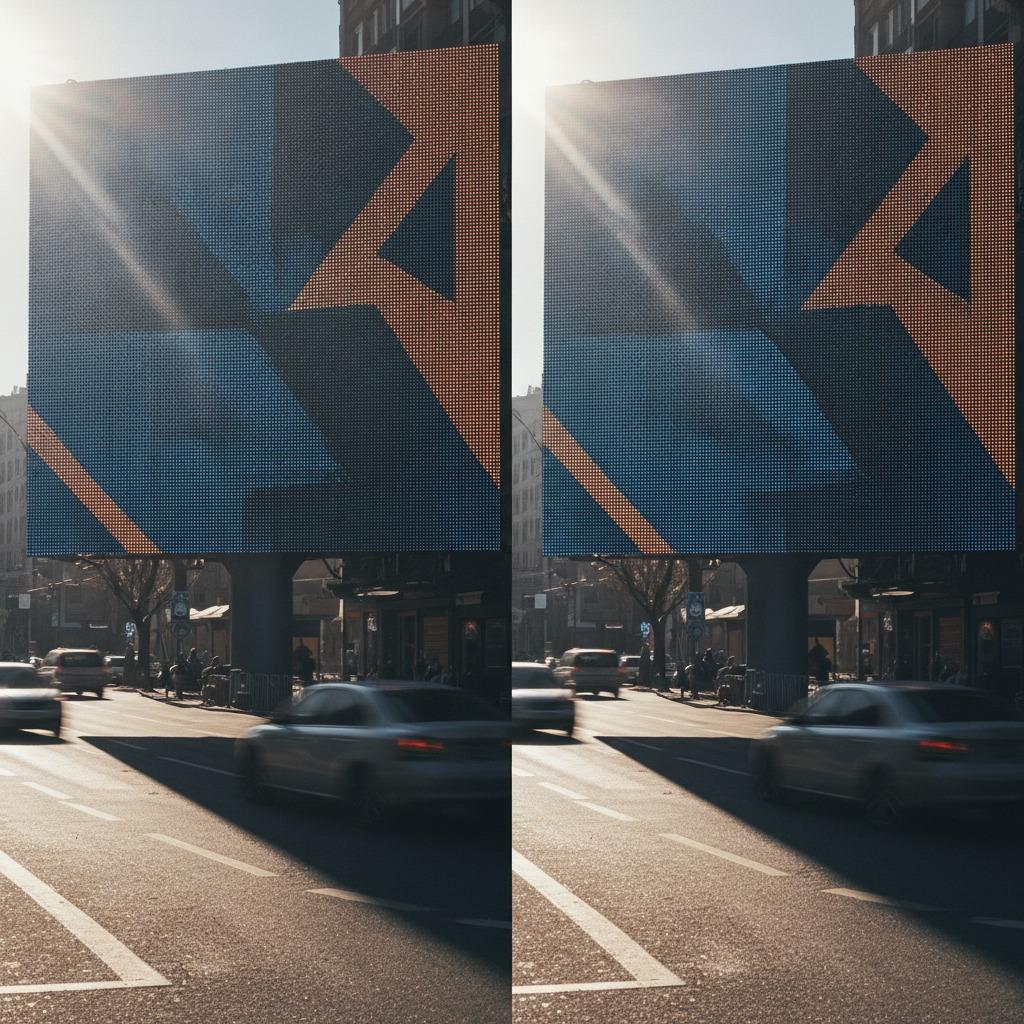
A high brightness outdoor LED display can look impressive on a spec sheet and still disappoint in the field. That is the part many buyers only discover after the screen is installed: daylight legibility, weather resistance, thermal control, viewing angle, and service access all matter just as much as raw brightness. For engineers and sourcing teams, the real decision is not “how bright can it get?” but “how well will it hold up where it has to work?”
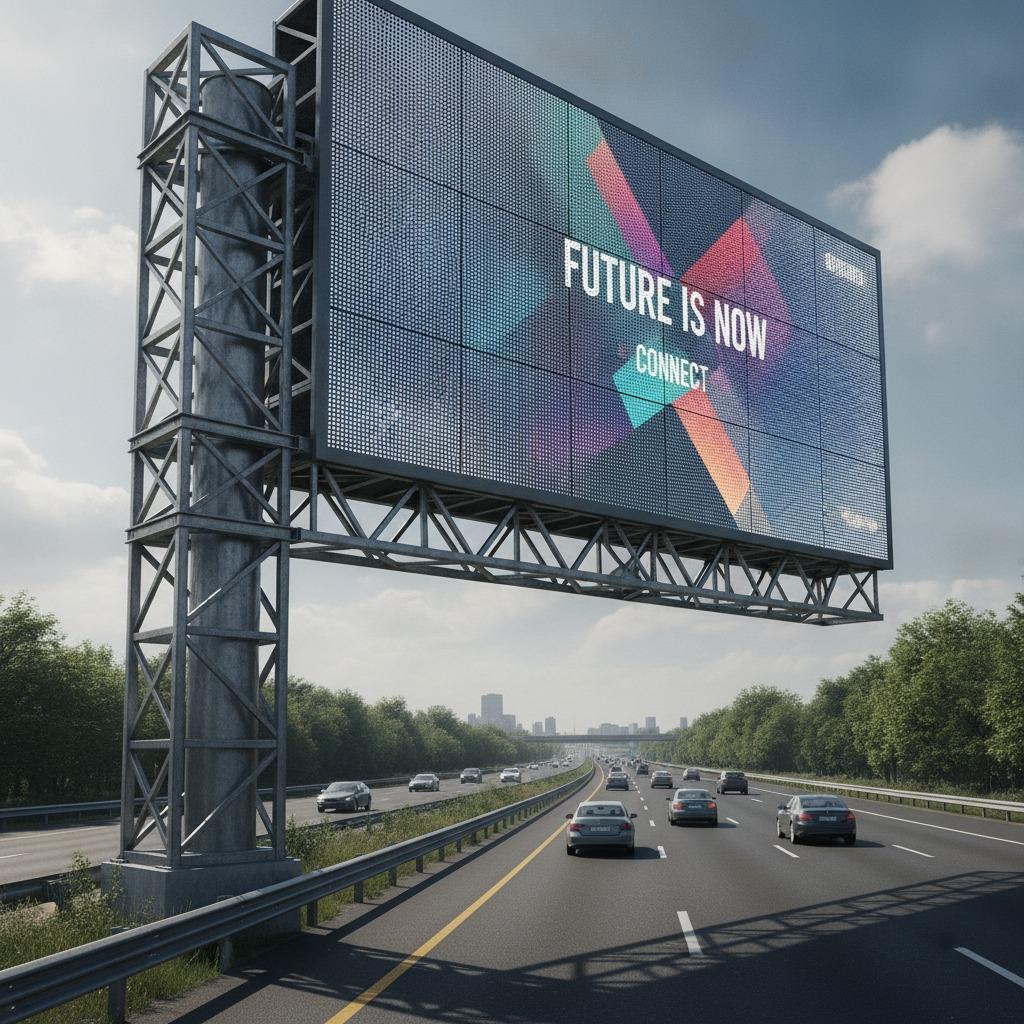
Outdoor screens are asked to do a stubborn job. They sit in direct sun, take rain and dust, endure heat spikes and cold mornings, and still need to carry a message that is readable at speed. Whether the application is roadside signage, a retail façade, or an LED billboard display for a busy traffic corridor, the wrong choice can lead to washed-out images, overheating, uneven aging, or expensive downtime.
What matters first: the operating environment
Before comparing pixel pitch or cabinet style, map the environment. That sounds obvious, but it is often rushed.
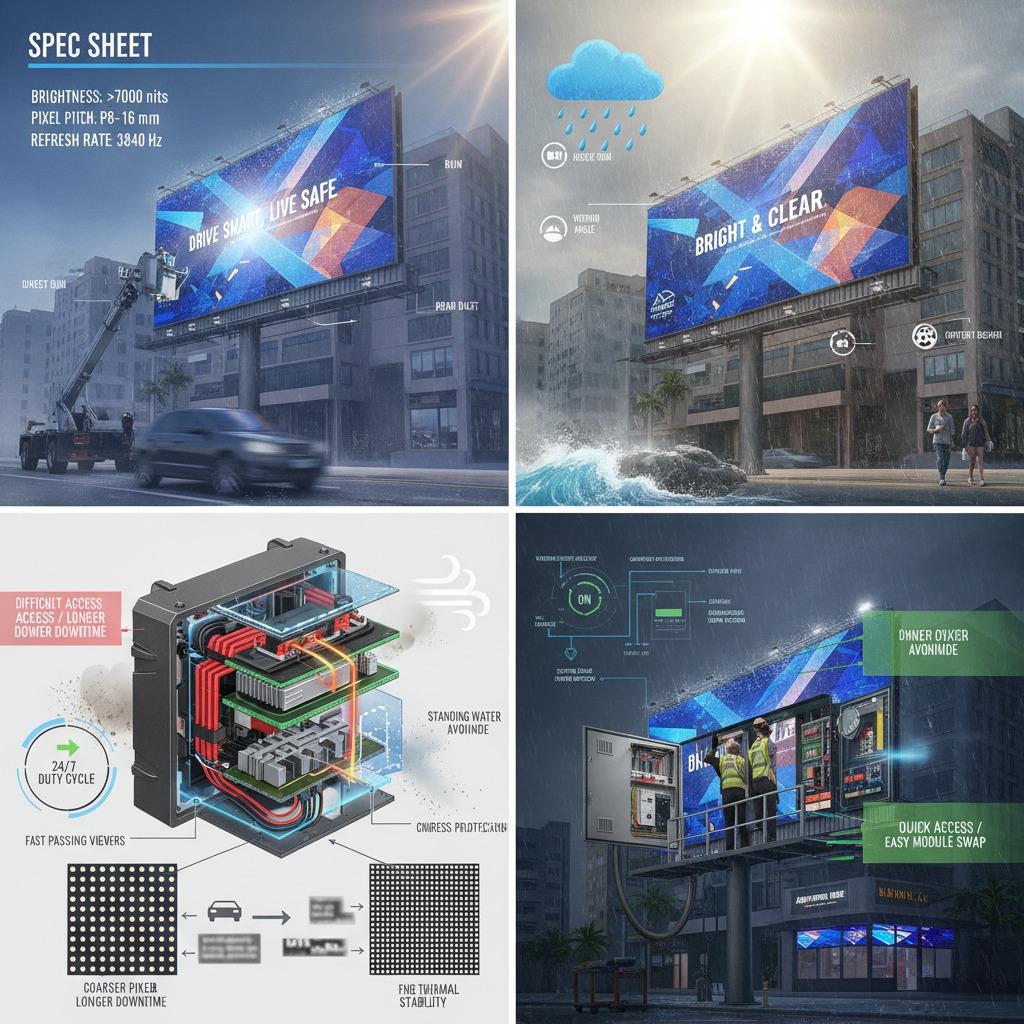
A screen facing full sun all afternoon needs a different balance than one installed under a canopy or on a shaded building corner. Wind loading, salt air, dust, vibration, and local temperature swings all influence the design. An outdoor LED display in a coastal location, for example, may need more attention to corrosion-resistant materials and enclosure protection than a unit placed inland. The display might be technically suitable on paper and still age badly if the hardware finish or sealing is weak.
Buyers should also think about viewing distance and traffic speed. A roadside advertising panel seen from moving vehicles has different legibility requirements than a screen serving pedestrians in a plaza. That affects pixel pitch, cabinet size, content layout, and how much detail is actually useful.
Brightness is important, but it is not the whole story
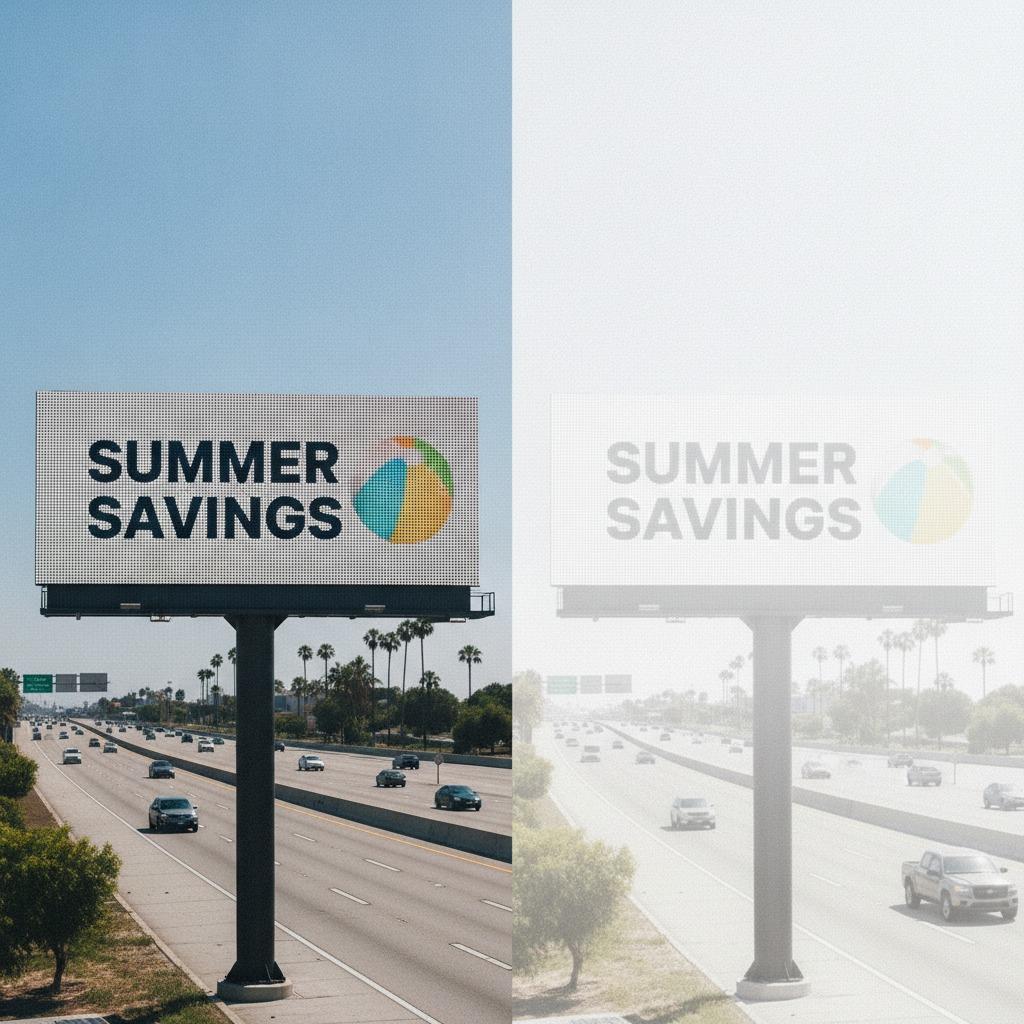
Brightness is usually the first number people ask for. Fair enough. In daylight, a high brightness outdoor LED display must overcome glare and remain visible without forcing the LEDs to run at the edge of their thermal comfort zone. But pushing brightness too hard can create another problem: heat.
Heat is the quiet enemy in outdoor digital signage. A panel that runs too hot may suffer reduced component life, color shift, or uneven output over time. That is why enclosure design, heat dissipation, and power management deserve as much attention as luminous output. In practice, a well-balanced outdoor advertising LED display often performs better than a brute-force bright screen that was not designed for long daily exposure.
Quick buyer checklist
Ask for more than a brightness figure.
Look at:
- intended installation environment
- viewing distance and angle
- cabinet sealing and serviceability
- thermal management approach
- front or rear maintenance access
- control system compatibility
- content use case, not just the size of the sign
Cabinet design and maintenance access can save the project
This is where many projects become expensive later. A display that is difficult to service turns minor faults into operational headaches. Front maintenance can be a lifesaver where rear access is blocked by walls, signage structures, or pedestrian zones. Rear access, when practical, can still be useful for larger installations and easier module replacement.
Cabinet rigidity matters too. Outdoor installations see vibration from wind and, in some locations, nearby traffic. If the frame flexes, connectors and internal parts take the strain. Buyers comparing an LED billboard display should ask how the cabinet is built, how modules are secured, and how water ingress is prevented at seams and cable points.
Common mistakes that cost time and money
The most common mistake is buying for visibility alone. Another is choosing a screen size that looks dramatic in a proposal but does not fit the real message format. A third is underestimating power and control infrastructure. The display may be only one part of the system; the rest includes mounting, electrical supply, ventilation, software, and access planning.
One practical caution: if the content team plans to run fine text, dense product listings, or fast video, the pixel pitch and viewing distance need to be matched carefully. Otherwise, the sign becomes a bright rectangle with a lot of effort behind it and little useful reading value.
How to compare options without getting lost in spec sheets
A useful way to compare outdoor LED display options is to separate must-haves from preference items.
Must-haves usually include visibility in the target environment, weather protection, workable maintenance access, and a control system the operator can actually manage. Preference items may include ultra-fine pixel pitch, advanced graphics effects, or a custom cabinet shape. Those extras can be valuable, but they should not distract from basic reliability.
If you are sourcing for a network of sites, ask suppliers how consistent the display platform is across different cabinet sizes and site conditions. Standardization often matters more than a flashy one-off design, especially when spare parts and service response are part of the business case.
Practical next step
If you are evaluating a high brightness outdoor LED display, start with the site, not the brochure. Define the viewing distance, sun exposure, service access, and message type first. Then compare brightness, thermal design, cabinet construction, and maintenance approach against those real conditions.
That method takes a little longer at the start, but it usually prevents the sort of purchase that looks fine on delivery day and becomes a maintenance problem six months later.