
Advantages of LED screens - Why are more and more projects giving it the top priority?
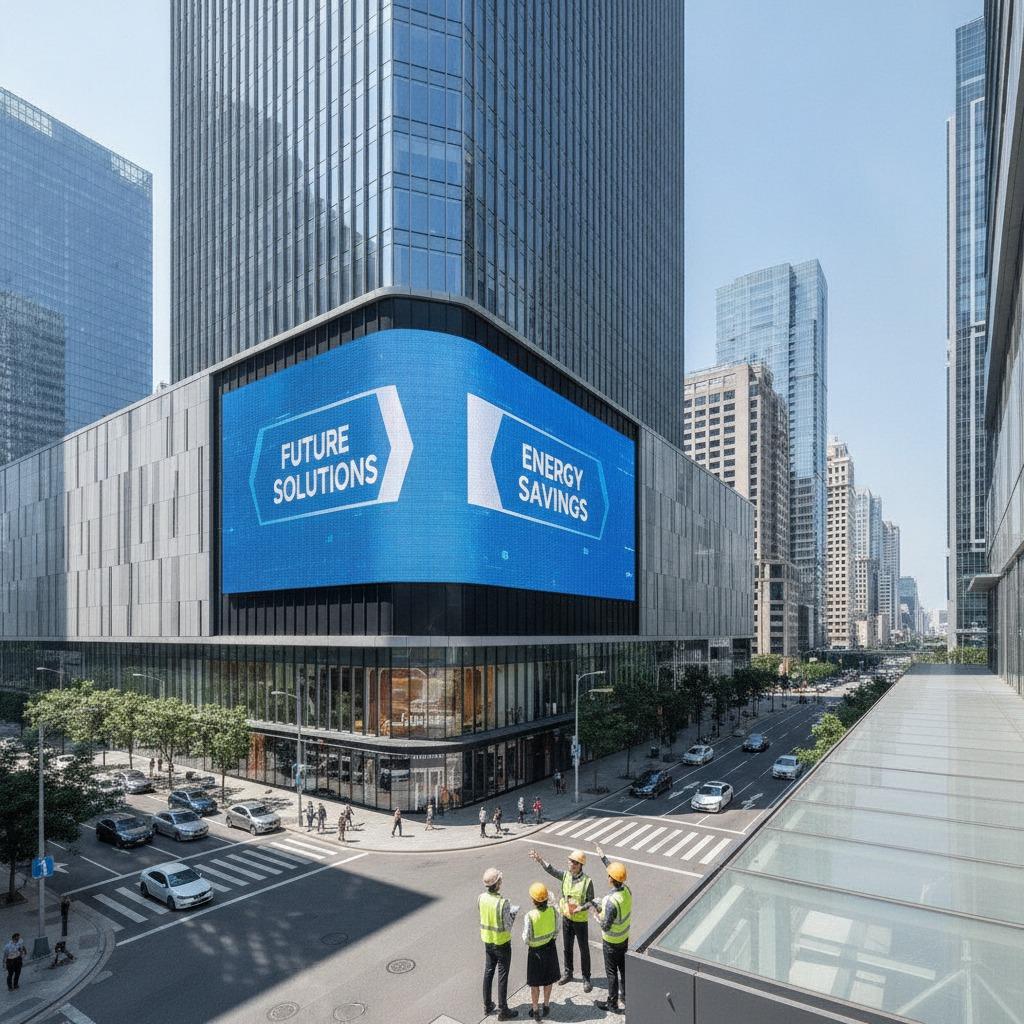
For those involved in engineering selection, venue renovation, commercial display or brand promotion, the advantages of LED large screens are often not simply described by the phrase "the picture is brighter". What truly determines whether it is worth investing in is whether it can stably transmit information in complex environments, control long-term usage costs, and maintain sufficient flexibility in different scenarios. In other words, buying a large screen is not just about purchasing display effects; it is also about buying a kind of continuous and available communication capability.
Many projects start out by asking "Does it look impressive enough?", but when it comes to the procurement stage, problems immediately become real: Can it be clearly seen in strong daylight, can the content be updated quickly, is the maintenance troublesome, will the subsequent electricity costs and fault handling slow down the operation? The reason why LED large screens are repeatedly chosen is precisely because they are usually more balanced in these key aspects. They are not the only solution, but they are often a more reliable one.
Let's start with the most crucial aspect: what problem does it solve?
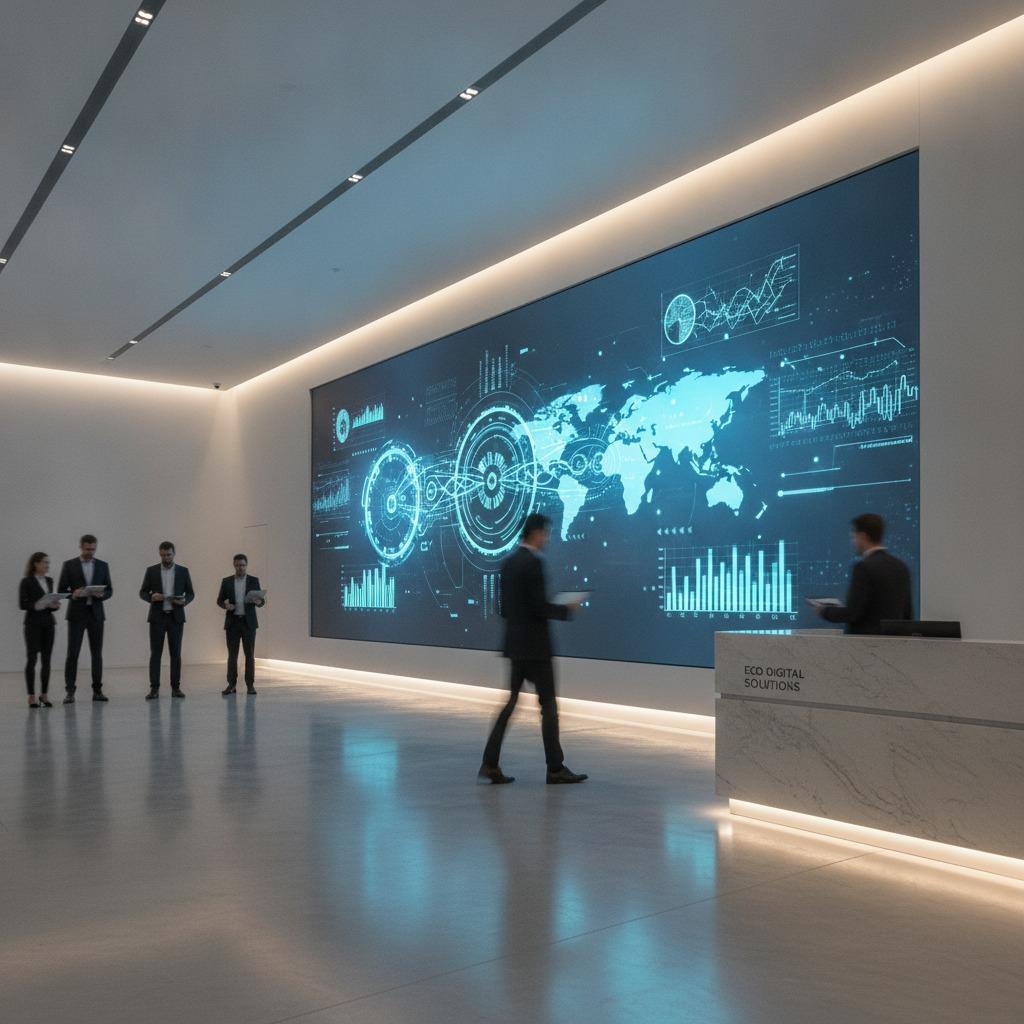
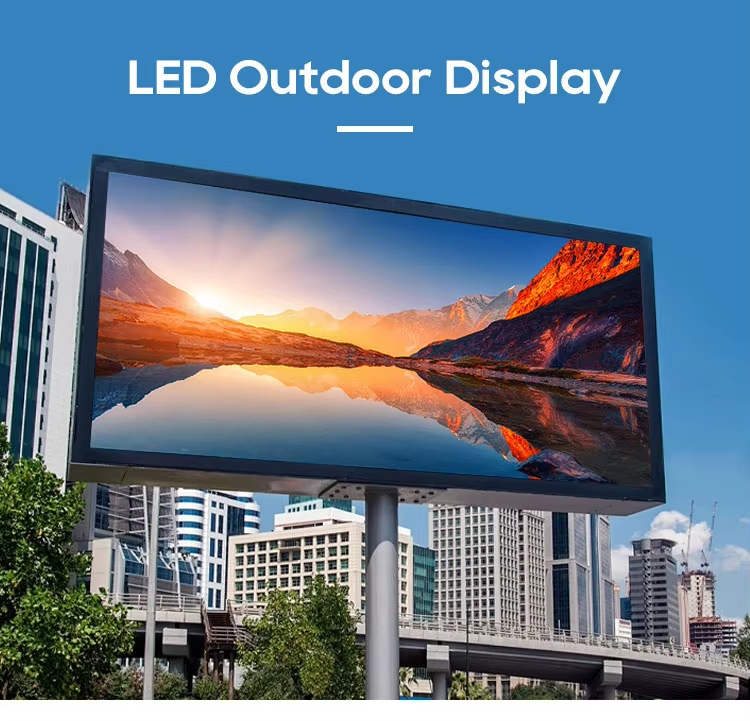
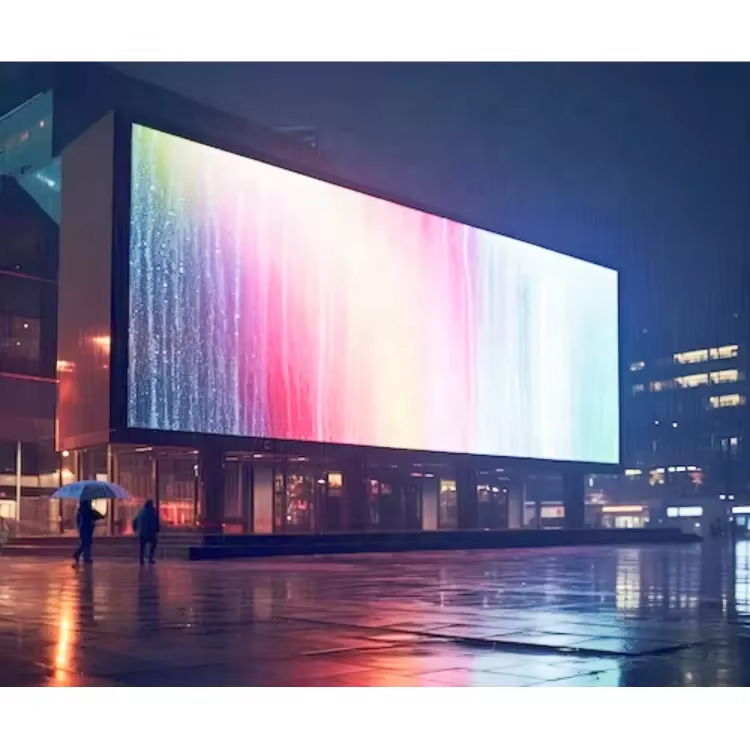
The most direct advantage of LED large screens is that it has achieved a very high level of "information visibility". Whether in the atrium of a shopping mall, a transportation hub, a conference center, or an outdoor advertising space, the display equipment must first pass the test of "whether it can be seen by people". The LED display system, through high brightness and modular assembly, can adapt to larger viewing distances and is also easier to meet the demand for large-sized screens.
Another often-overlooked aspect is the continuity of content presentation. For the brand, a large screen is not just decoration but a tool for content dissemination. It can scroll through event information, product promotions, navigation content, and even serve as a real-time information dissemination platform in certain scenarios. For teams that need to frequently update their content, this flexibility is crucial as it directly impacts operational efficiency.
Among the advantages of LED screens, why is energy conservation and power saving always mentioned?
If we compare LED large screens with more traditional high-power consumption display solutions, energy saving and power conservation are usually a very realistic consideration. This is not just about the simple concept of "saving power", but involves long-term operating costs, heat dissipation pressure, and equipment stability. For commercial projects that require continuous operation, electricity costs and heat management are not secondary issues; they are part of the budget.
Of course, the energy-saving effect is influenced by factors such as brightness setting, display area, playback duration and control strategy. It cannot be discussed in isolation from specific scenarios. However, from a procurement perspective, if the project requires frequent use and long-term operation, the LED solution is usually more attractive in terms of energy efficiency and maintenance balance. Especially in public spaces, the larger the equipment and the longer it operates, the more pronounced this difference becomes.
From an engineering perspective, what other practical advantages does the LED screen have?
1. More flexible in terms of size and shape
LED large screens can usually be freely arranged and designed according to the on-site space. For structures surrounded by columns, curved walls, irregular backgrounds or large-scale full-wall displays, flexibility is often more important than "standardized finished screens". Many engineering projects are not really difficult in terms of purchasing equipment, but rather in accurately embedding the equipment into the on-site structure.
2. The visual angle and long-distance performance are more suitable for public environments.
The public environment is not a laboratory. People will approach from different directions, at different distances, and spend different amounts of time. LED screens are usually more suitable for this "flowing viewing" scenario, especially for content with high information density that requires quick attention. Advantages of LED screens
3. The maintenance approach is more inclined towards modularization.
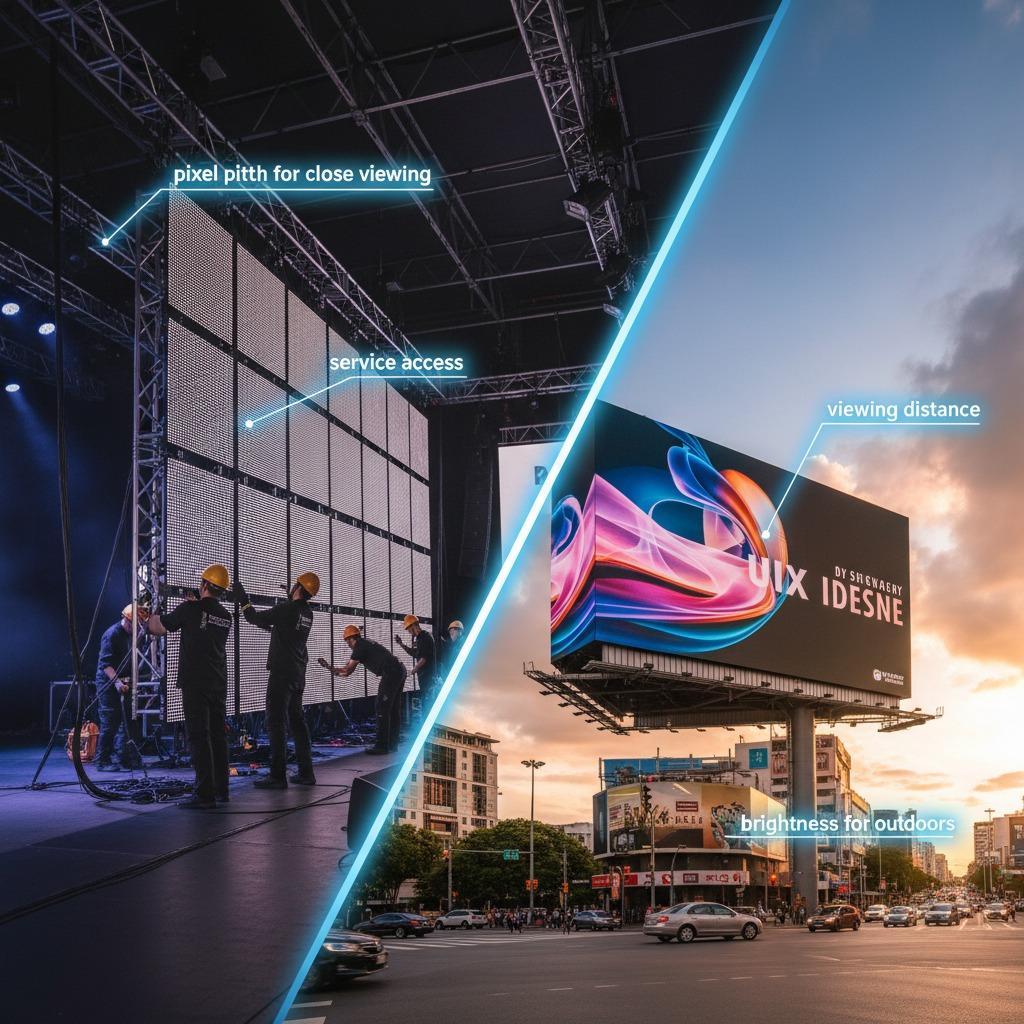
This is crucial for the engineering team. The modular structure means that local problems can be dealt with locally, rather than requiring the entire screen to be halted. In actual maintenance, this design concept can reduce the scope of the impact caused by faults. It should be noted that modularization does not mean no maintenance; the initial installation flatness, cable management, and environmental protection still determine the later experience.
When making a purchase, don't just rely on the parameter list. Several key points are more important.
If you are evaluating the plan, it is recommended to shift your focus from a single parameter to the usage scenarios. First, look at the brightness requirements: indoor, semi-outdoor, and outdoor are quite different. Brightness is not always the higher the better; it needs to match the environment. Secondly, consider the content type: if the main content is videos, brand promotions, or dynamic navigation, refresh rate and picture continuity are more crucial; if it's meetings and information dissemination, stability and readability should be prioritized.
There is another common misconception, which is to only compare the initial procurement cost. In engineering practice, what really makes a difference is the subsequent usage cost, including energy consumption, maintenance frequency, spare parts management, and downtime losses. If a cheaper solution requires more frequent intervention, it is often not cheaper in the end.
Common pitfalls: Many projects fail not because of the display effect, but because of the usage details.
A typical problem is the insufficient assessment of the on-site environment. For instance, the installation location is exposed to long-term sunlight, heavy moisture, and a lot of dust, but the selection of equipment was made based on the common indoor design principles. As a result, various troubles will keep arising later. Another issue is that the content operation was not planned in advance. After the screen was installed, there was no stable update mechanism, and eventually, all that was left was "displaying a fixed image upon startup". Such projects are a pity because the equipment itself is not faulty; the fault lies in not treating it as a long-term operational tool in the early stage.
Which teams are suitable to seriously consider using LED large screens?
If your goal is to increase brand visibility, enhance on-site signage, support conference releases, or create a digital display platform that can be reused over the long term, LED large screens are usually worth being placed on the priority list. Its advantages extend beyond visual impact; they also lie in its adaptability to frequent use and complex environments. For engineering teams, this adaptability is often more valuable than a single "amazing" moment.
Practical suggestions for procurement and project managers
Before making the final decision, clearly describe the usage scenarios: who will use it, in what lighting conditions, how often, how often the content is updated, and whether it needs to run 24/7. Answer these questions thoroughly, and many solutions will naturally emerge. If conditions permit, it is best to ask the supplier to provide targeted suggestions based on the actual size, installation conditions, and content purpose, rather than just giving a standard list.
Where do the advantages of the LED screen ultimately lie? Not in the top line of the parameter table, but in whether it can perform its tasks stably, clearly and for a long time after it is actually put into use. For the engineering and procurement teams, this is the most worthwhile investment area.
What should we do next?
If you are conducting a scheme comparison, it would be advisable to first outline your scenario boundaries, and then conduct a detailed screening of each item such as brightness, size, maintenance, energy consumption and content operation mode. The screen that is selected in this way is not just "usable", but is closer to your actual work rhythm in the next few years.