
What an LED Screen Application Solution Actually Solves
An LED Screen Application Solution is not just a display purchase. For most engineers, integrators, and sourcing teams, it is a system decision that affects visibility, control, mounting, maintenance, content workflow, and long-term operating cost. That matters because a screen that looks impressive on paper can still create headaches once it is installed in a lobby, control room, retail space, command center, or outdoor venue.
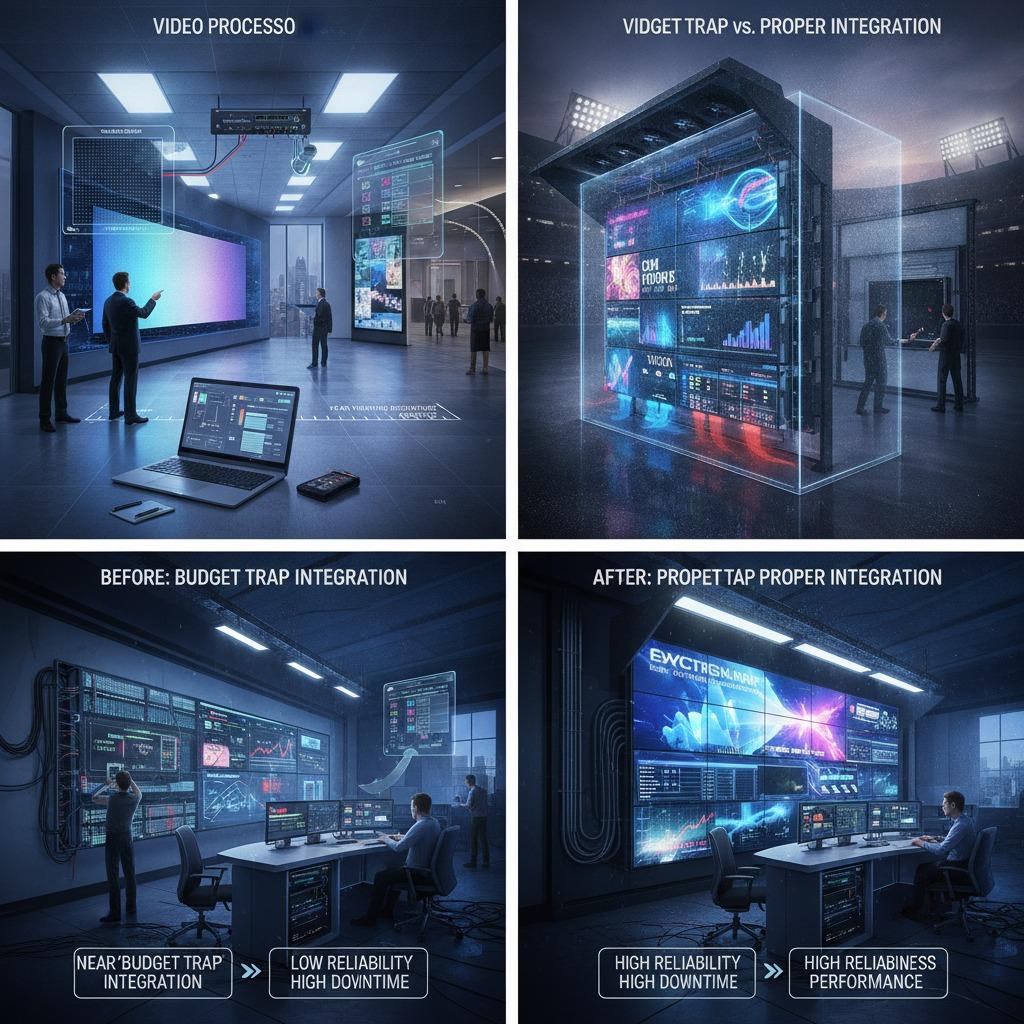
The real question is rarely “Which LED panel should we buy?” It is closer to “How do we match screen size, pixel pitch, brightness, control method, and installation environment to the job at hand?” If you get that part right, the display becomes a dependable tool. If you get it wrong, you inherit uneven image quality, awkward service access, or a system that is difficult for operators to use.
Start With the Use Case, Not the Screen
The first step in any LED Screen Application Solution is to define what the screen must do. A digital signage wall in a shopping mall has different priorities from a control room display or a stage backdrop. Retail buyers usually care about visual impact and content flexibility. Industrial users often care more about uptime, readability, and integration with existing systems. Event teams tend to focus on fast setup and the ability to reconfigure the layout.
This is where many projects drift off track. Teams start with size or budget, then try to force the display into the space. A better approach is to work backward from viewing distance, ambient light, content type, and operating hours. That sounds basic, but it saves a lot of rework later.
Key Elements of LED Display System Integration
LED display system integration pulls together several parts that need to work as one. The cabinet structure, power distribution, receiving cards, video processor, mounting hardware, cooling strategy, and control software all influence the final result. Even if the panels are high quality, weak integration can cause flicker, color mismatch, sync issues, or difficult maintenance.
1. Define the environment
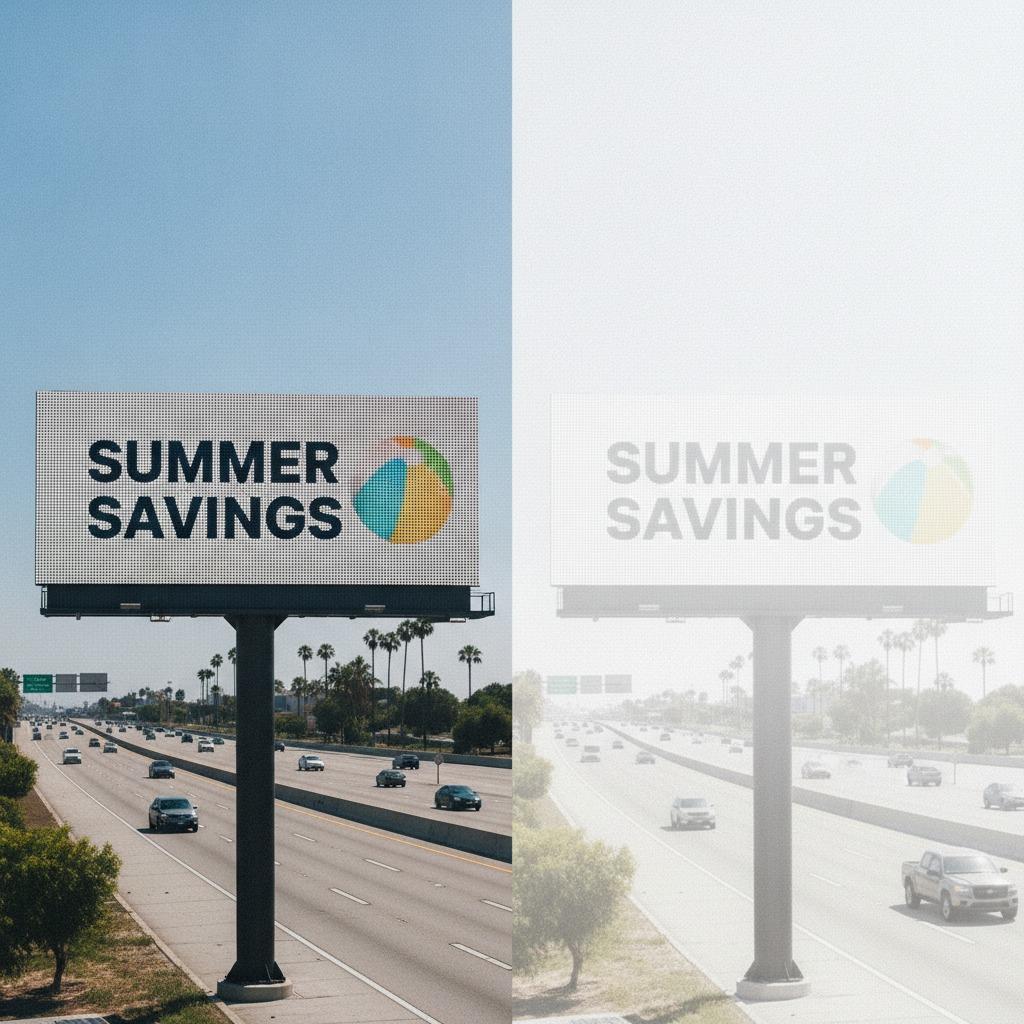
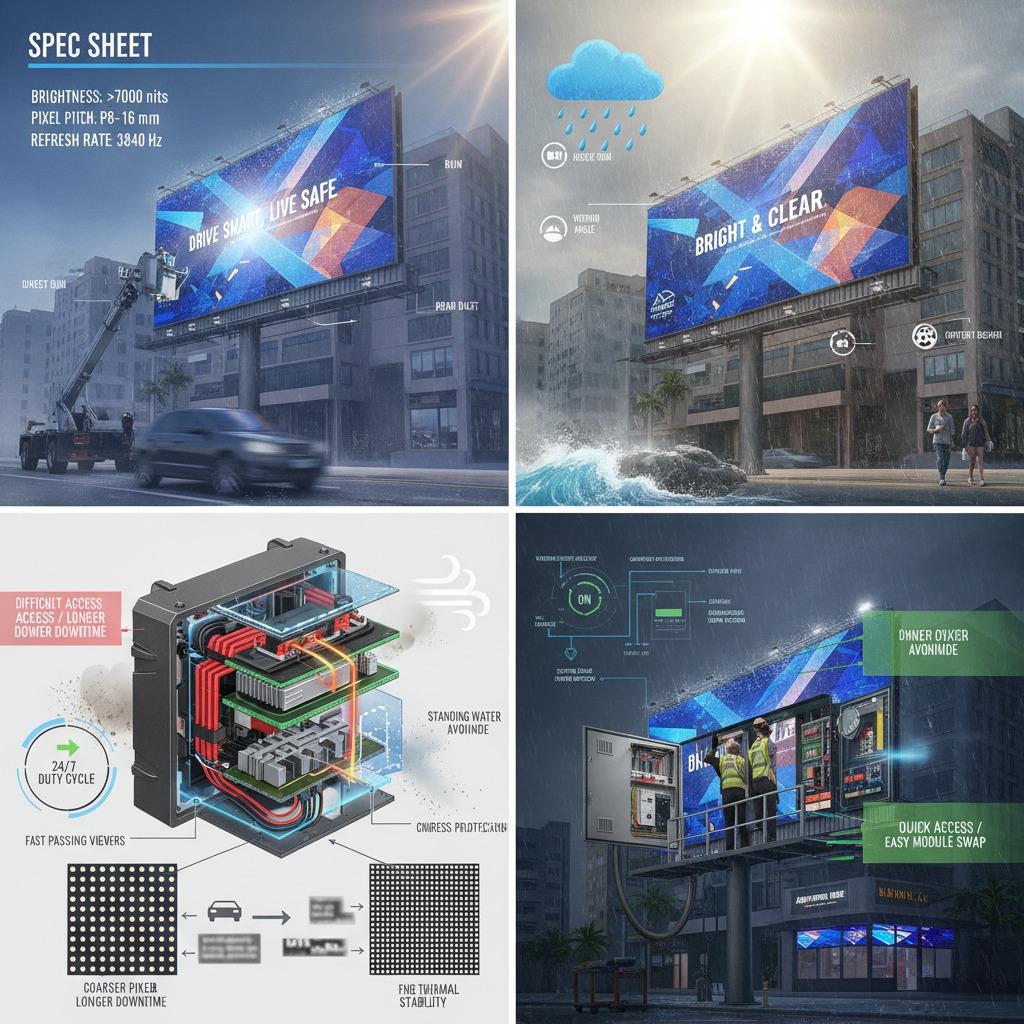
Indoor, semi-outdoor, and outdoor projects each have different demands. Brightness requirements, viewing angles, and protection against heat, dust, or moisture can change the product choice completely. A screen designed for a conference hall may not survive well in a transit station or open-air venue.
2. Match pixel pitch to viewing distance
Pixel pitch is one of the most practical selection factors. Closer viewing usually requires a finer pitch for sharper imagery. Farther viewing can use a larger pitch without sacrificing the audience experience. Buyers sometimes over-spec this area, which increases cost without meaningful benefit.
3. Check service access early
Maintenance access is easy to overlook during purchasing. Front-service designs can be helpful where rear clearance is limited. In other spaces, rear access may be acceptable and more economical. The important point is to confirm how modules, power supplies, and data components will be replaced when the system is already built into the site.
When an LED Video Wall Solution Makes Sense
An LED video wall solution is often the right answer when a project needs a large, seamless visual surface. Compared with tiled LCD layouts, LED walls avoid visible bezels and usually offer better scalability. That makes them useful for command centers, studio sets, event stages, lobbies, and public information spaces.
Still, bigger is not automatically better. A video wall that dominates the room can also overwhelm the budget and the control workflow. Buyers should consider whether the content will actually benefit from that scale. If the message is mostly text-heavy or data-driven, legibility and layout matter more than sheer display area.
A Practical Selection Process
For a buyer or project manager, the safest way to choose a system is to move through the decision in sequence:
First, identify the main application and audience distance. Second, establish brightness and image quality needs based on ambient light. Third, define cabinet size, installation method, and maintenance access. Fourth, confirm the control system and content source. Fifth, compare serviceability and lifecycle support, not just panel specifications.
That sequence may sound methodical, but it reflects how real projects succeed. The display itself is only one piece of the installation.
Common Mistakes Buyers Still Make
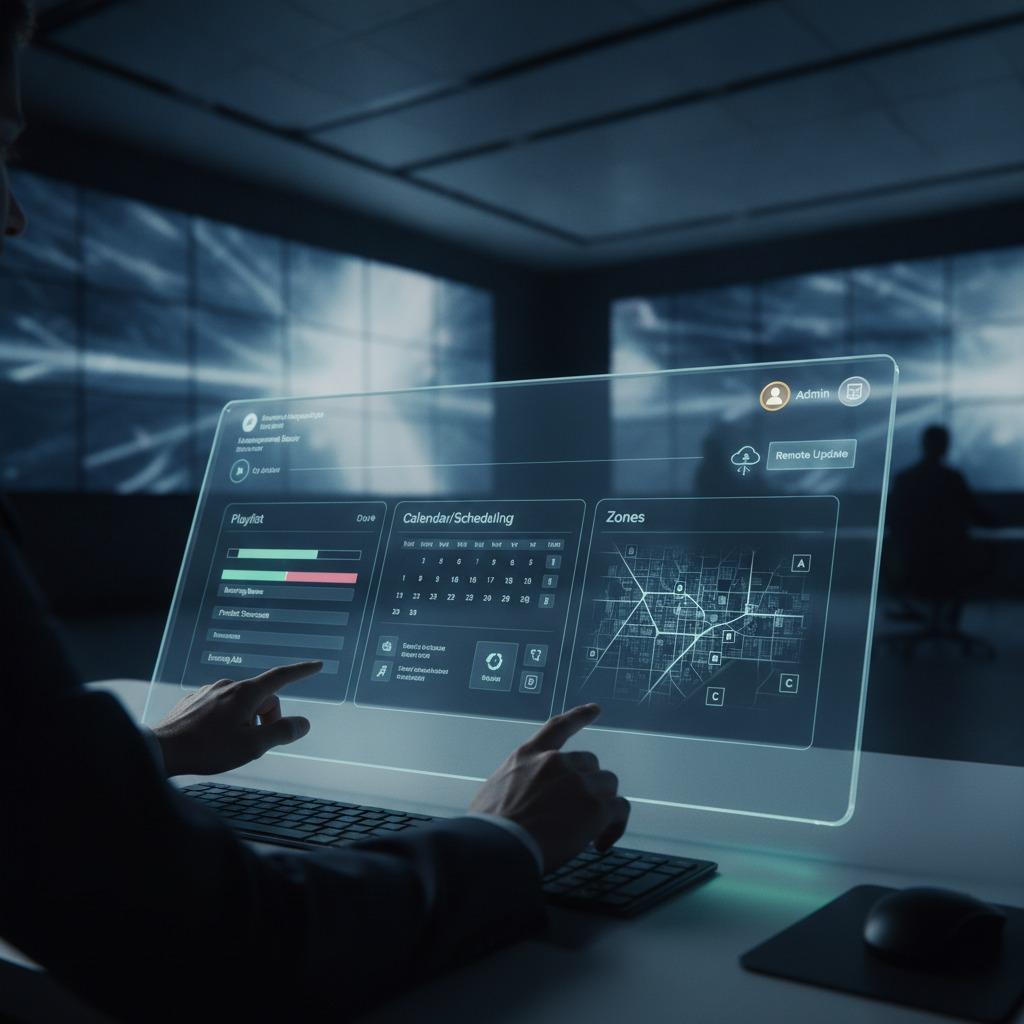
One common mistake is choosing based on maximum resolution alone. Higher resolution can help, but only if the viewing distance and content justify it. Another is ignoring heat management in enclosed spaces. LED systems generate heat, and poor ventilation can shorten component life. A third mistake is treating content playback as an afterthought. If the processor or control software is awkward, operators will feel it every day.
There is also the familiar budget trap: trimming too much from the integration side. A lower upfront quote may leave out proper mounting, spare modules, or control components. That rarely feels like a bargain later.
Buyer Advice for Engineers and Sourcing Teams
When comparing suppliers, ask for clear system boundaries. What is included in the display package? What belongs to the integration scope? Which parts are modular and easy to replace? If the project is mission-critical, ask how the system handles downtime and whether common wear parts can be serviced without dismantling the entire wall.
It also helps to request documentation that shows the installation layout, control architecture, and maintenance plan. Even a good LED Screen Application Solution can become difficult to manage if the handoff documents are thin.
Final Takeaway
The best LED screen projects are not the flashiest ones; they are the ones that fit the room, the content, and the operating team. If you approach the purchase as a full system decision, you improve image quality, reduce service problems, and make the display easier to run over time.
If you are planning a project, begin with the use case, then compare the integration requirements before you compare panel prices. That order tends to produce better outcomes, even if it takes a little longer at the start.