
Why an LED Outdoor Advertising Screen is a bigger decision than it first looks
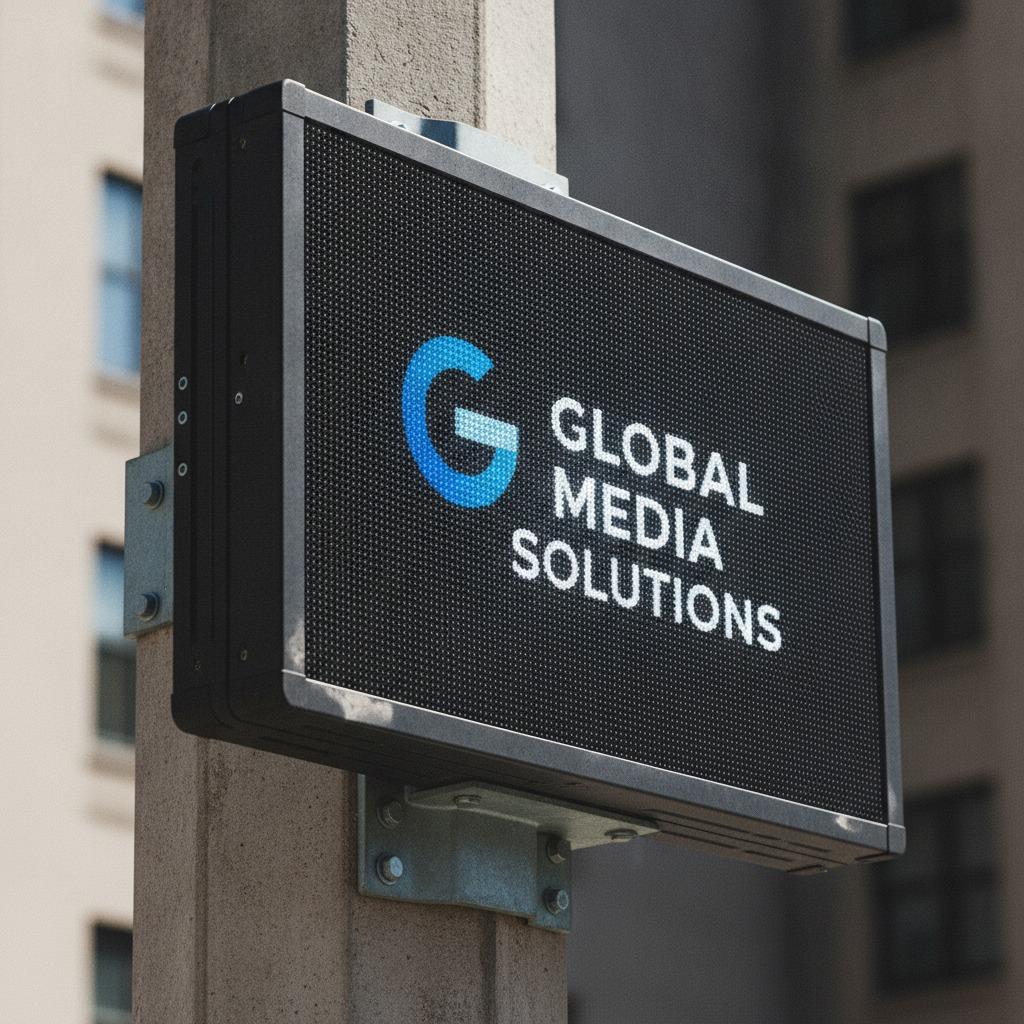
Choosing an LED outdoor advertising screen is rarely just a media-buying or branding choice. For most buyers, it sits somewhere between equipment procurement, public-facing communication, and long-term maintenance planning. That is why the wrong panel pitch, enclosure design, or brightness spec can create problems that do not show up until the screen is already mounted, powered, and expected to perform in sun, rain, wind, and traffic noise.
The practical question is not simply whether the display looks good on day one. It is whether the screen remains legible at noon, survives weather exposure, and supports the content schedule without becoming a maintenance headache. If you are sourcing for a retail frontage, roadside installation, venue facade, or transit environment, you are really deciding how much risk you can carry over the next several years.
What buyers usually need from an outdoor display
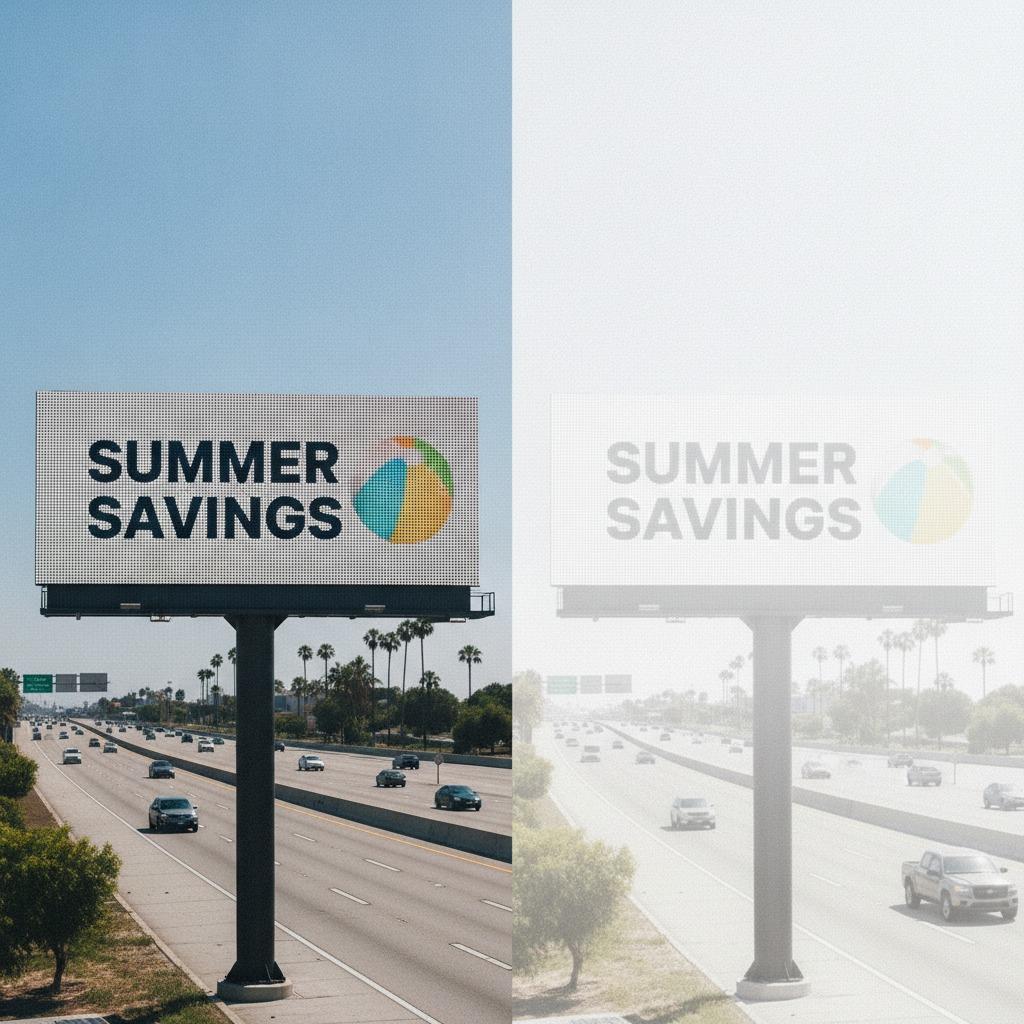
An outdoor LED display has a very different job from an indoor screen. It has to fight daylight, attract attention from a distance, and still present text, logos, and motion graphics clearly enough to be useful. In practice, that means brightness, protection, viewing angle, cabinet structure, and service access matter just as much as pixel density.
For many projects, the front of the conversation starts with image clarity, but the back of the conversation should start with environment. Is the screen facing direct sun for part of the day? Will it be exposed to heavy rain or dust? Is it on a roofline, a roadside pole, or attached to a building facade where airflow is limited? Those questions shape the right configuration more than any sales brochure usually admits.
IP rating, brightness, and why they matter together
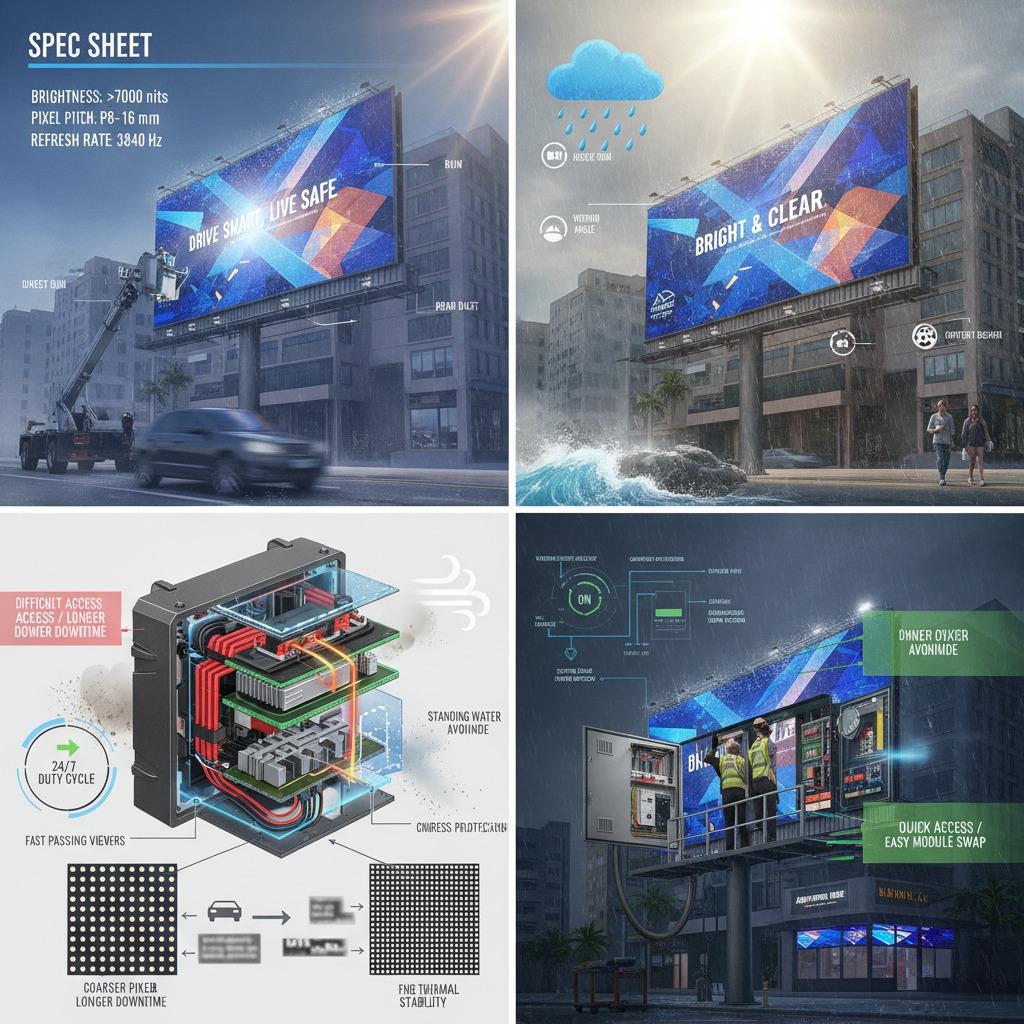
An IP65 LED outdoor screen is often mentioned as a reassuring baseline, and for good reason: the rating suggests protection against dust ingress and water jets, which is useful for many outdoor installations. Still, a good procurement team should treat the IP rating as one part of the picture, not the whole answer.
Brightness is what makes the message visible in daylight. Protection is what keeps the system alive in weather. Thermal design sits in the middle, because a bright screen in a sealed cabinet can create heat stress if airflow and component layout are not thought through properly. That is one reason buyers should ask not only about enclosure protection, but also about how heat is managed during long operating hours.
Common screen types and where they fit
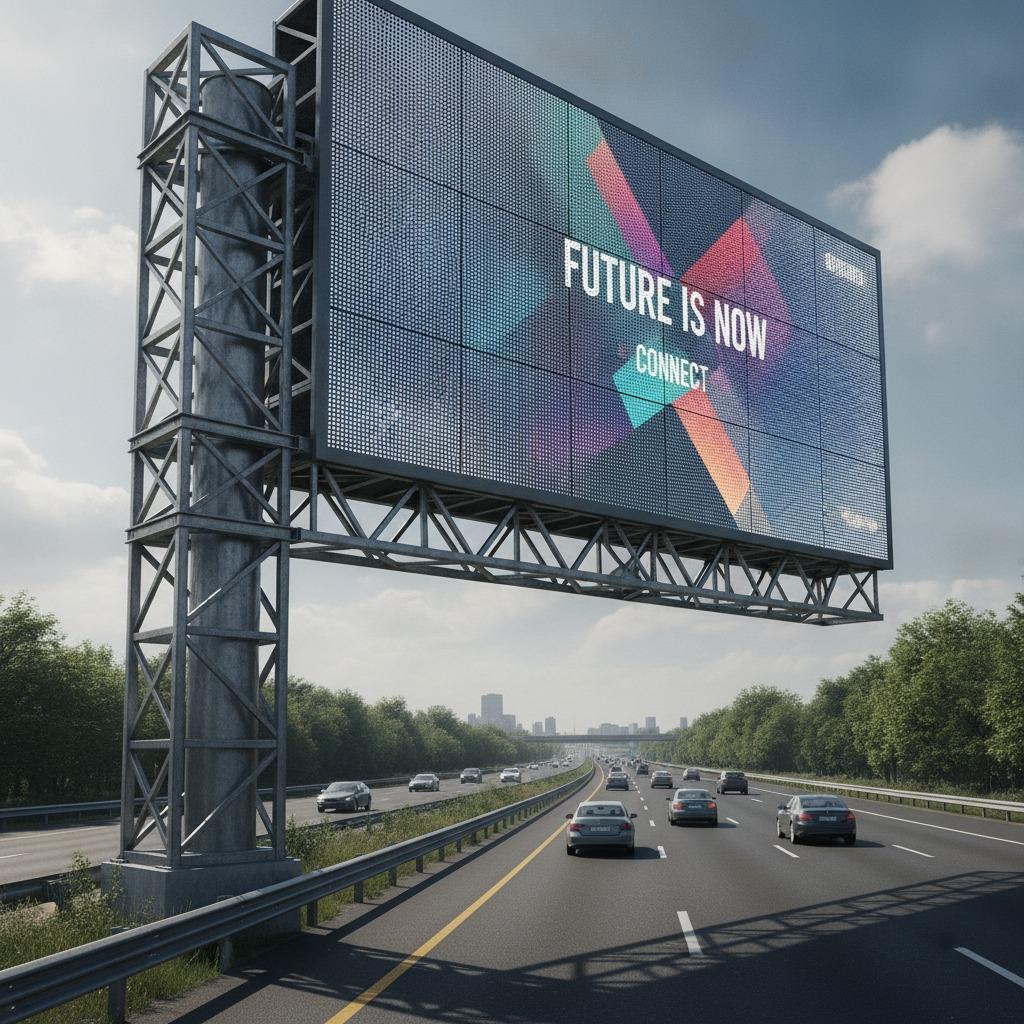
Not every outdoor LED display is intended for the same use case. A large roadside billboard has different needs from a storefront sign or a stadium perimeter board. The first is about long-distance visibility and continuous attention; the second is often about flexibility, branding, and local foot traffic.
For shorter viewing distances, smaller pixel pitch can help preserve text legibility and graphic detail. For larger-format advertising, a slightly coarser pitch may be acceptable if the audience is farther away. That trade-off is worth stating plainly: more detail usually costs more, and not every message needs broadcast-quality resolution. A buyer who understands viewing distance can avoid overspecifying a system that will never be seen close up.
Fixed installations versus modular systems
Fixed installations tend to be simpler and more cost-efficient for permanent signage. Modular systems make sense when future maintenance access, expansion, or content flexibility is a priority. In real projects, service access is often underestimated. A display that is difficult to reach will not stay “low maintenance” for long.
Selection criteria that deserve more attention
Beyond the headline specifications, experienced buyers usually look at a few less glamorous details:
Panel consistency across batches, so the screen does not show visible color shifts.
Service access from the front or rear, depending on the mounting location.
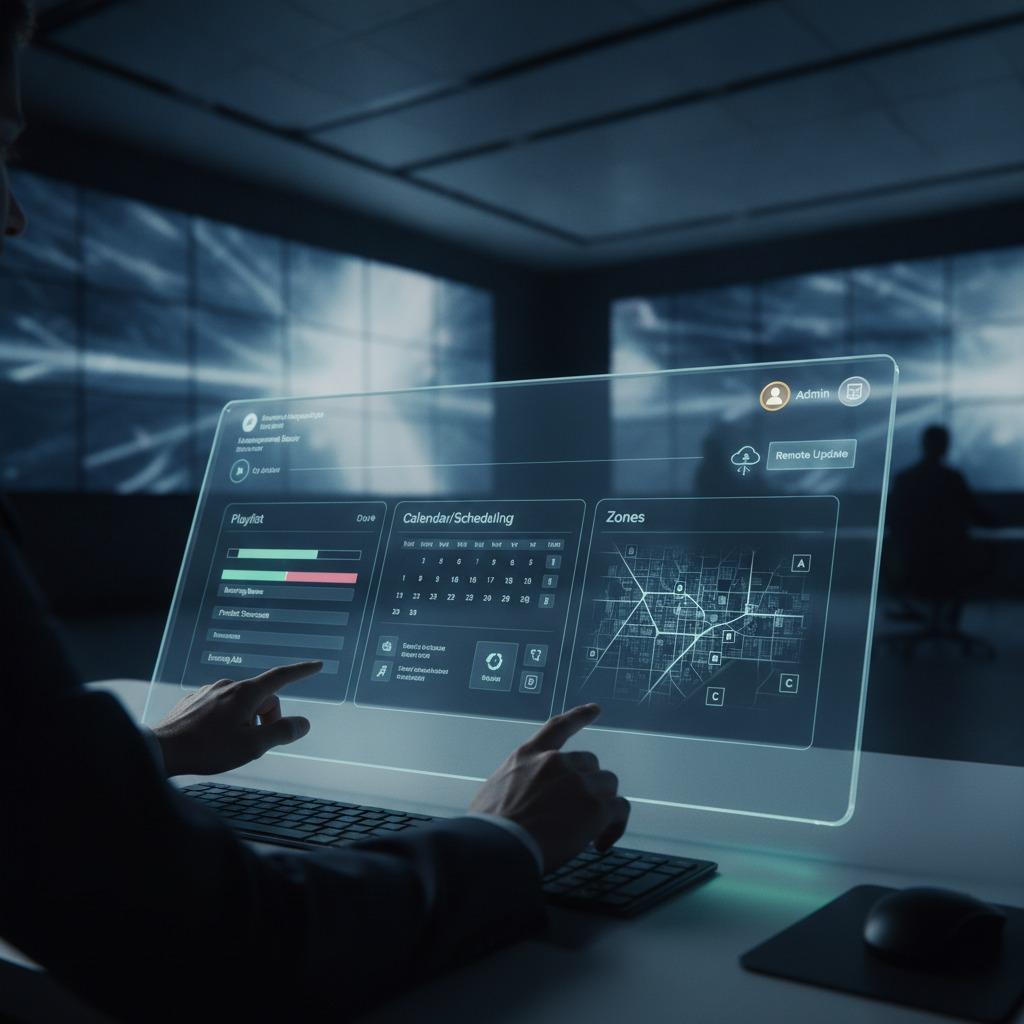
Control compatibility, especially if the display needs to integrate with existing content management workflows.
Wind load and structural support, which are often handled by the installer but should be part of procurement review from the start.
Energy use, particularly for large-format installations that run long hours.
These details are not exciting, but they are where projects succeed or become expensive after launch.
Common mistakes that create avoidable cost
The first mistake is buying for headline resolution instead of viewing distance. The second is treating weather protection as a simple checkbox. The third is underestimating the cost of access: a display that needs special equipment for every repair will quietly absorb budget over time.
Another common issue is content mismatch. A screen that is technically excellent can still underperform if the creative is designed like a print poster. Outdoor screens reward strong contrast, short copy, and motion used with restraint. Too much detail, especially in bright ambient light, can blur into visual noise.
Practical buyer advice before you issue a PO
If you are comparing suppliers, ask for more than a spec sheet. Request mounting guidance, service method details, and a clear explanation of how the screen handles outdoor exposure. If the supplier mentions an IP65 LED outdoor screen, verify whether that rating applies to the front, the cabinet, or the full assembly, because those distinctions matter in the field.
It is also worth checking whether your team has the right content plan for the hardware. Outdoor digital signage works best when the operations team, design team, and installer are aligned before launch, not after the first content cycle.
FAQ: quick answers for sourcing teams
Is a brighter screen always better?
Not always. Brightness needs to match ambient light and viewing distance. Too little brightness hurts visibility; too much can be inefficient if the site does not need it.
How long should an outdoor screen run each day?
That depends on the application and power strategy. Continuous operation is common, but long hours make thermal design, maintenance access, and energy planning more important.
What should I prioritize first?
Start with site conditions, then viewing distance, then content goals. After that, compare enclosure protection, serviceability, and control integration.
Next step for a better purchase decision
If you are sourcing an LED outdoor advertising screen for a new site or a replacement project, build the comparison around use case rather than marketing language. Ask how the display will perform in daylight, how it will be serviced, and how it will hold up in weather over time. That approach usually separates a visually attractive purchase from one that stays reliable after installation, which is the part that really matters when the screen becomes part of daily business.